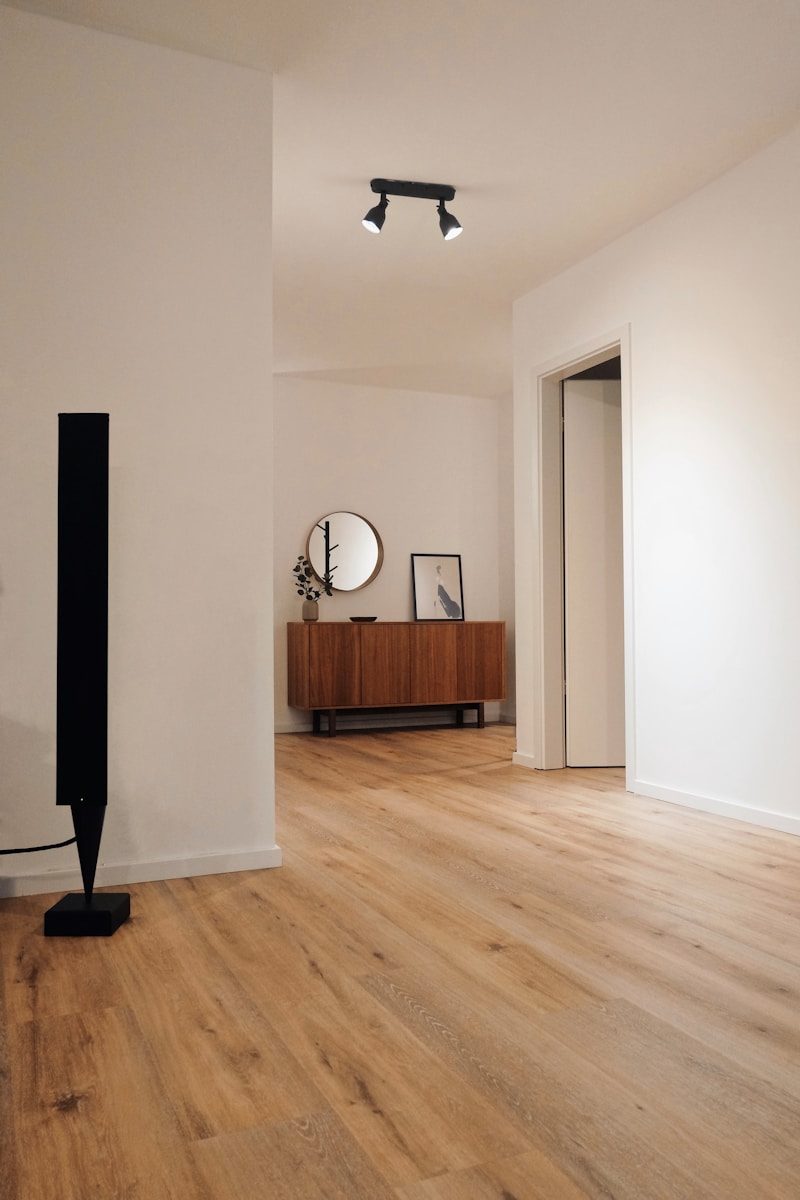
More and more people who own historic homes in the UK are turning to vinyl flooring for their renovations. This might come as a surprise, given the long-standing preference for classic materials like hardwood, stone, or ceramic tile. However, today’s vinyl and luxury vinyl tile (LVT) products have made huge leaps – they can now replicate the charm of older materials while being much easier to live with. Heritage homeowners are searching for floors that balance authentic looks with practical everyday benefits like easier cleaning, moisture resistance, and compatibility with the quirks of older houses.
Homes rich in history – Victorian terraces, Georgian townhouses, rural cottages – have plenty of character, but they also present everyday challenges. Cold draughts, uneven floorboards, and the threat of damp are all common. People are usually eager to keep a traditional appearance, but they also want a floor that stands up to modern living. Within this context, options like Kwik Floors are beginning to look really appealing, since they offer a wide variety of styles designed for both old and new homes.
Realism and Practicality Lead the Way
One big reason vinyl flooring is gaining popularity in historic homes is realism. Vinyl products today are carefully crafted to mirror the textures and grain of wood or the intricate veining of natural stone. They’re also being made to copy historical patterns, so homeowners can get the look of classic encaustic tiles without the fuss. This level of detail is important, as authenticity is highly valued.
But looks are just part of the story. The practical benefits are often what seals the deal. Older properties can be tricky – moisture levels shift, subfloor levels aren’t always flat, and sometimes new technology like underfloor heating gets added into the mix. Natural wood and stone can struggle in these conditions, while vinyl tends to be more forgiving. It provides a layer of stability, is straightforward to clean, and holds up well in rooms where spills are likely.
Rethinking Floors in Period Properties
In the past, it was almost a rule that only solid wood or original stone were suitable for heritage homes. That mindset is evolving, and homeowners have started asking what floor works best for the way they actually use their space – not just what looks traditional.
Vinyl steps into that conversation with a few strong advantages:
- It’s easy to keep looking good day to day.
- Resistant to splashes and humidity, so it works well in areas prone to water.
- There’s a huge range of colours, patterns, and textures available.
- Vinyl flooring usually feels softer and warmer underfoot, which can make period homes a little more comfortable.
It isn’t about giving up on character. Instead, homeowners are picking floors that protect the house’s style while making life easier.
Traditional Style with Modern Advantages
Old houses come with their own headaches – uneven floors, the occasional draught, and tricky layouts. Fixing or replacing traditional materials can cost quite a bit, and sometimes they need special care or treatment. With vinyl, those worries tend to fade. It can be installed over slightly uneven surfaces with fewer complications, and it’s much less temperamental when it comes to water or wear from daily life.
Wood floors need refinishing, stone might need sealing, and tiles can feel pretty unforgiving. Vinyl holds on to period charm without creating new headaches, which is a big win for families and renovators who want something that both looks right and is hardwearing.
Design-Driven Vinyl Changes Opinions
Over recent years, the vinyl flooring sector has become much more design-focused. The days of boring patterns and plasticky textures are over; now, high-quality products feature textured surfaces, realistic details, and colour shades that feel right in historic rooms. Some brands even create collections specifically aimed at period homes, featuring patterns and finishes that would make sense in a Victorian hallway or a Georgian drawing room.
For owners of historic homes, a floor isn’t just a background – it can help define the building’s character. When vinyl copies the colour, grain, and timeworn feel of classic timber or flagstones, it becomes a serious choice rather than just a compromise.
Practicality Wins in Challenging Spaces
Older homes are rewarding, but they’re not always suited to modern life. Sometimes the floors move or creak, and many houses have had heating upgrades or patchwork repairs over the years. Vinyl is a strong performer in these settings because it doesn’t react as much to changes in moisture or heat and is generally easier to fit over older subfloors.
In spaces with underfloor heating, or where the original subfloor has seen better days, vinyl can offer reliability that even engineered wood can’t always guarantee – especially when you also want water resistance and a hassle-free installation.
Vinyl Is Especially Handy in Busy Areas
Kitchens, bathrooms, hallways, and boot rooms are all spaces with higher risks of moisture and more wear and tear. They’re also the areas where the drawbacks of traditional materials show up most clearly. Vinyl flooring is well suited for these demanding spots, since it:
- Handles wet boots and muddy footprints with little fuss
- Stands up to temperature changes
- Cleans up easily, even after spills or pet accidents
- Keeps a steady appearance, helping rooms flow together without needing to use the same expensive material everywhere
This is why many people are now mixing vinyl in practical rooms with other flooring in more formal spaces, striking a fresh balance between style and function.
Trusted Brands and Retailers for Heritage Homes
The perception of vinyl has shifted thanks to quality-focused brands and expert retailers who understand the needs of heritage homes. Specialist ranges – sometimes taking cues from antiques or vintage floors – are made to satisfy people who want period-appropriate choices without hassle. Collections now offer everything from herringbone and parquet patterns to authentic slate- and limestone-inspired designs.
When expert outlets recommend vinyl specifically for traditional interiors, it gives buyers the confidence to try something new, knowing it’s been designed with their house in mind.
Why This Trend Makes Sense
It can feel unexpected that vinyl – a product once seen as basic or best left to rental flats – has become a darling of the heritage renovation crowd. Yet, when you look at what homeowners actually need, it starts to make perfect sense:
- Style that fits the history of the home
- Durability that keeps up with busy modern life
- Minimal maintenance
- Versatility across different rooms and uses
In heritage settings, vinyl isn’t just a fallback – it’s a practical, thoughtful choice that lets people enjoy their homes without compromise.
What to Consider When Choosing Vinyl for Historic Homes
When looking for vinyl flooring for a period property, pay attention to the following:
- Choose colours, grain, and patterns that look authentic for the house’s age
- Pick premium finishes for the best look and feel
- Make sure the product suits the room, especially spaces like bathrooms or kitchens
- Assess what prep your floors may need for installation in an older property
- Seek advice from experienced suppliers who know heritage buildings
Combining the right style with the right practicality leads to the best results.
Embracing Tradition – But in a Way That Fits Now
The rapid growth of vinyl flooring UK in traditional homes isn’t about ignoring the past. It’s about finding smart ways to protect the spirit and aesthetics of your home without bringing along all the challenges. Modern vinyl enables people to cherish period charm, while letting them live more comfortably day to day.
Ultimately, this isn’t a fleeting fashion, but a sensible solution for those who want their homes to be both beautiful and easy to look after – proof that sometimes, the best way to respect tradition is to adapt it for the way we live today.