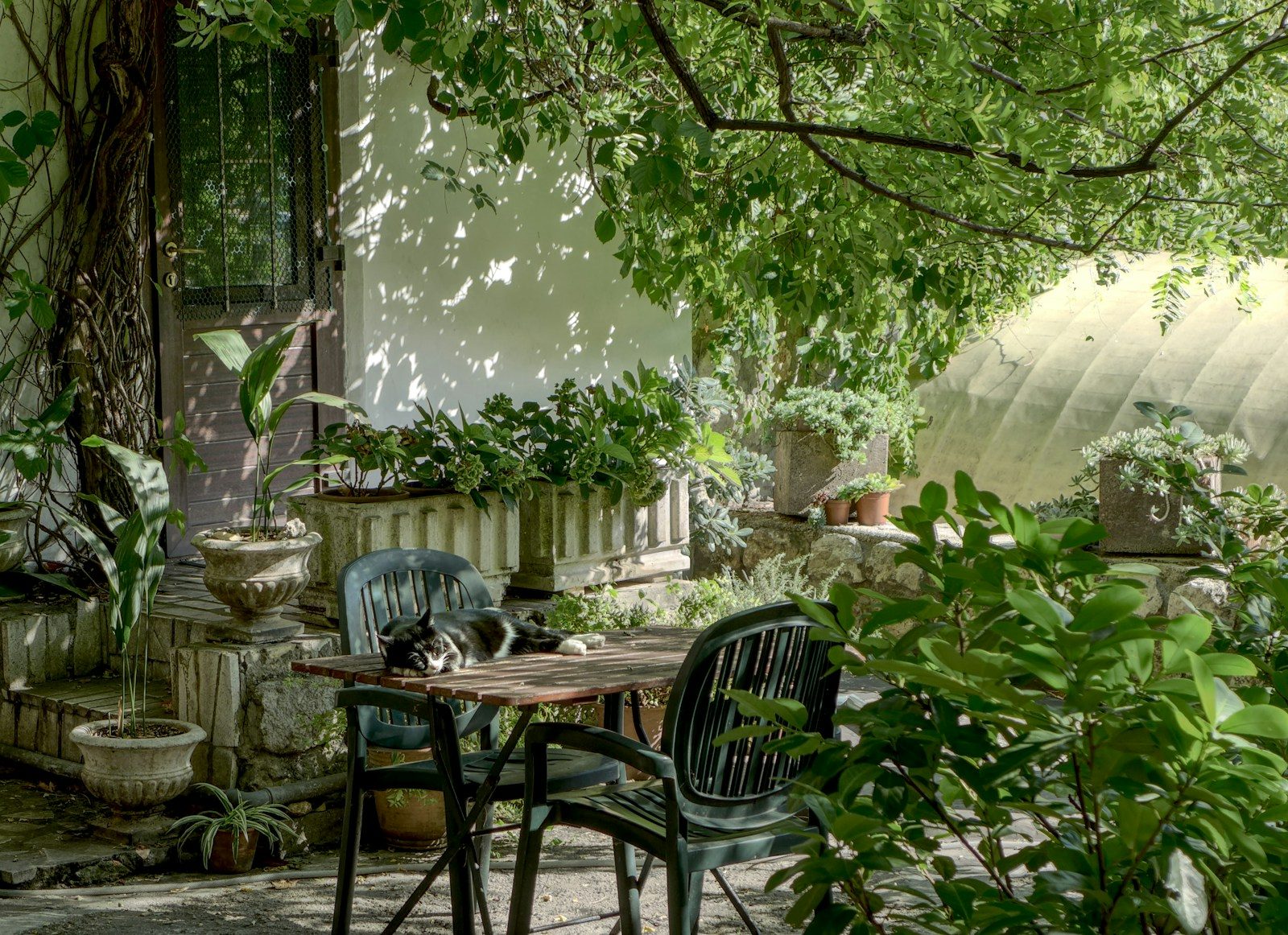
Ascona is well-known for its sunny, gentle weather and almost Mediterranean vibe, which encourages both eager beginners and seasoned gardeners alike. However, this idyllic impression can be a bit misleading. Mistakes often happen because many people focus on how warm and inviting Ascona looks, only to overlook lingering frost, tricky drainage, or how local conditions can turn challenging overnight. Even expert gardeners are sometimes caught off guard by Ascona’s quirks.
Nestled by Lake Maggiore in southern Switzerland, Ascona truly enjoys one of the most pleasant climates in the region. The seasons are long and bright, and you can grow anything from vivid blooms to fruit trees quite successfully. Still, no matter how effortless it seems on paper, real-life gardening in this area can surprise even the most confident green thumb. Ascona’s weather isn’t just about warmth – it’s defined by its own small-scale climates. Differences in slope, wind, proximity to the lake, and even unexpected cold snaps mean each spot is unique and not every plant is guaranteed to thrive everywhere. If you’re searching for more garden wisdom specific to this area, check out tips and professional advice at Ascona.
Picking Plants for Style, Not for Site
A frequent misstep is choosing plants based on their Mediterranean look or because they were seen thriving somewhere sunny – without considering if they’re suited for that exact spot. Many gardeners get swept up by beautiful palms, citrus, or other warmth-loving types, thinking they’ll work perfectly across Ascona. The catch? Local temperatures fluctuate, and some corners may be chillier than expected. Not every plant that loves sunlight is built to survive a surprise frost or a windy spot. In Switzerland, plant hardiness varies significantly, so a shrub that handles a courtyard beautifully might not withstand an exposed hillside or a cold lakefront.
Steer Clear of This Trap:
- Always check if a plant can handle the lowest local winter temperature.
- Study the sun, wind, and shelter of your own garden before buying.
- Recognize that each corner – from a lake-facing terrace to a sheltered back wall – may suit different plants.
- Try Mediterranean species in containers at first if you’re unsure.
Skipping the Microclimate Check
Many gardeners treat their space as one homogenous patch, but even a small garden in Ascona can have wildly different conditions. A warm wall might create a cozy zone for tender plants, while an area near steps or a low-lying lawn could be much colder. If you ignore these differences, you’ll wonder why plants thrive in some areas but flop just a few meters away.
What Helps:
- Think of your garden as a collection of “mini-zones” – some sun-drenched, some cool, some always damp.
- Plant more sensitive varieties where it’s naturally warmer and give hardy choices the tougher spots.
- Look out for frosty or wind-prone areas and avoid using delicate plants there.
- Notice where frost or dampness lingers after a cold night.
Not Taking Soil and Drainage Seriously
Soil often gets forgotten in design plans, despite being the foundation for garden success – or failure. A lovely bed on the surface won’t do any favors if water pools after rain or if the subsoil is packed hard. Many plants can tough things out briefly, but poor drainage usually leads to limp, yellowed or stunted growth and eventually root rot. This is especially tricky in gardens that look tidy above ground but have hidden clay zones or compacted earth underneath.
Best Ways to Tackle Soil & Drainage:
- Check how quickly water drains by filling a hole and timing it.
- Loosen soil deeply and mix in organic matter to increase drainage.
- Consider raising beds or installing drainage pipes if water doesn’t move off properly.
- Especially for plants that need dry feet, like many Mediterranean types, never skimp on drainage.
Giving Too Much Water – Or Too Little
Thanks to the generous sun, it’s easy to think more water is better. But too much can be worse than too little, leading to soggy roots – especially where drainage isn’t great. In Swiss gardens, fruit trees and established shrubs usually don’t need frequent watering unless it’s both their first year or an unusually dry spell. The risk in Ascona is watering based on habit rather than the plant’s real need, especially when humidity tricks you into believing the soil is dry.
Good Habits:
- Judge whether to water based on actual soil moisture, not just on hot weather.
- Dig down 5–10 cm to see if the soil is still damp before watering.
- Water deeply but less often so roots stretch out and the soil aerates between drinks.
- Focus extra attention on new plantings or things in pots – they dry out fastest.
Assuming Every “Full Sun” Plant Wants Blazing Exposure
Another classic mistake is roasting sun-loving plants under the harshest rays all day long. Some, like pelargoniums or basil, want plenty of light but draw the line at hot, reflective balconies where heat soars. Especially in raised pots or on stone patios, roots can dry out shockingly fast. Just because a plant likes sun doesn’t mean it won’t suffer from an overheated or exposed spot.
Balance It Out:
- Use afternoon shade screens or group pots to buffer against intense heat on balconies.
- Pick sturdy, drought-tolerant plants for your garden’s harshest spots.
- Always use pots with efficient drainage – excess water should never stagnate.
- Water containers thoughtfully, as they lose moisture rapidly in the sun.
Packing Fruit Trees Too Closely
Planting apple or pear trees is a popular move in Swiss gardens, but even experienced gardeners often plant them closer than they should, forgetting how large these trees get once mature. If young trees are wedged in too tightly, you’ll wind up with crowded, tangled branches, less light, and more disease.
Avoid This:
- Read up on spacing for each type – full-sized standards need much more room than columnar or espalier forms.
- Choose smaller, compact trees for tiny spaces but always plan for their eventual spread.
- Allow air circulation by keeping crowns apart to prevent fungal problems.
- Focus on varieties known for resilience and low maintenance.
Letting Maintenance Slide After Planting
Many get caught up in the buzz of new beds and beautiful layouts, then underestimate the regular pruning, weeding, and support their thriving garden will need. In Ascona’s lively climate, plants can quickly get overgrown or unruly, leading to both more work and more pest or disease worries over time.
Stay Ahead:
- Be realistic about the amount of upkeep you can handle.
- Make pruning a routine, especially to open up dense borders.
- Deadhead flowering plants and cut back overgrown perennials before they choke out neighbors.
- Refresh mulch and compost periodically to keep soil healthy.
- If care becomes too much, consider swapping in hardier, less demanding plants.
Believing Mediterranean Style = Zero Effort
Ascona’s climate practically begs for an “olive and lavender” vibe, but just because these species look Mediterranean doesn’t mean they’ll be totally care-free in Swiss soil. Many Mediterranean plants still need careful placement, excellent drainage, and some winter shelter, especially the more delicate ones.
Smart Moves:
- Plant frost-sensitive Mediterranean varieties in pots so you can move them to safety in winter.
- Combine local, resilient perennials with Mediterranean highlights if you want the look without the worry.
- Always put resilience before style so your garden survives, thrives, and stays beautiful.
Forgetting to Research the Local Climate
It might be tempting to rely on advice meant for “Swiss gardens” generally, but every garden in Ascona is its own world. From elevation to shelter, lake wind to soil type, what works for your neighbor or up the hill could flop in your yard. The key to a successful planting is knowing your own plot in detail.
What Works:
- Figure out your garden’s microclimate and hardiness rating before shopping.
- Connect with local gardeners, garden centers, or specialists for personal recommendations.
- Start with a few test plants instead of a huge buy – all gardens are experiments.
- Stick with species proven to do well in the area for the best chance at success.
Gardening in Ascona is not about luck or guesswork. It’s about understanding your spot’s specific light, temperature, soil, and how much care you can realistically give. The healthiest, happiest gardens always respect the environment and work with it – never against it.