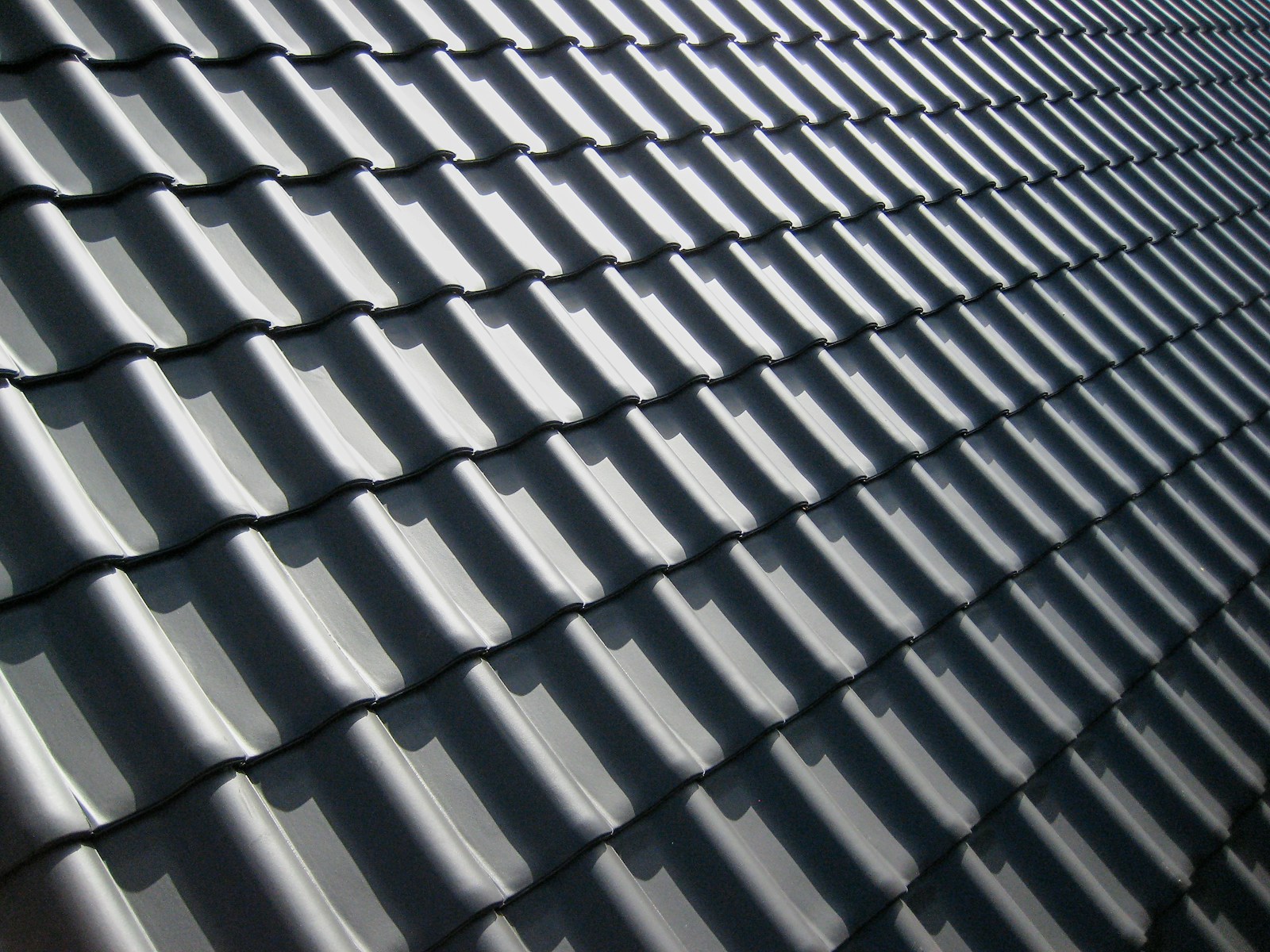
Living in Seine-Saint-Denis means your roof is constantly under pressure from rain, wind, pollution, and sometimes severe storms. These weather conditions can wear out your roof faster than you may expect. Ignoring take-action-now warnings often transforms a minor, easy-fix problem into a full-blown emergency that involves expensive repairs to fix water damage, mould, and even structural decay.
Roofers working throughout Seine-Saint-Denis, like couvreur 93, often get called when a roof is already leaking or badly damaged. Almost always, repairs could have been quicker and cheaper if early warning signs were handled soon after they showed up. To keep your home safe, pay attention to these five warning signs that your roof may need urgent attention.
1. Leaks, Drips, and Stains Inside Your Home
Any water seeping into your living space is a serious problem. If you start to notice brown or yellowish stains on your ceiling or walls, dampness around roof windows, or dripping in the attic, this probably means your roof is letting in rainwater.
In Seine-Saint-Denis, heavy rain can turn a small drip into a large leak surprisingly quickly, damaging your insulation, wires, and ceiling plaster. If not dealt with, damp conditions help mould grow, which harms both air quality and your family’s health, especially where ventilation isn’t good.
For example, if you spot a small stain by a chimney or small roof window (like a Velux), this could be from a single damaged tile or faulty flashing. A quick call to a qualified roofer makes for an easy repair at this stage. But if you see new water marks after heavy rain more than once, it calls for immediate attention. Book an inspection right away if you spot these symptoms.
2. Cracked, Missing, or Bent Roof Tiles
The material covering your roof—tiles, slates, metal, or panels—is your home’s main defense against rain and wind. Any visible damage is a warning sign you cannot ignore. From your garden or even the street, keep your eyes open for:
- Tiles that are split, cracked, or have slipped out of place
- Missing tiles, perhaps blown away by gusty winds
- Curled or warped shingles
- Uneven patches, or if the roof looks different in some spots
Experienced roofers agree: Faulty, bent, or completely missing tiles mean your roof may not keep water out much longer. On flat roofs, you may spot signs like bubbling surfaces, water pools, or seams lifting up. These let water in and cause damage soon after.
Urban places like Montreuil, Saint-Denis, and Aubervilliers see a lot of pollution and moss, which means tiles can weaken or crack faster. Roofers like DJC Toiture 93 find themselves replacing broken tiles, fixing seals, or removing heavy mosses before things get out of hand and the building becomes affected.
3. Roof Has Sagging Sections or Looks Uneven
A ceiling sag or a roofline that sinks in places is a sign that the problem may go far beyond just the outer tiles. Invite a roofer for a check if your roof no longer looks flat and straight from the outside. Your house should have a clean, level roof; dents, waves, or odd spots may be symptoms of weak timber, compromised framing, or water that has slowly gotten in for a long time.
Even inside, you might notice your ceiling starts to curve or new cracks appear near wall tops. If windows or doors suddenly stick, this could mean there’s a larger issue with your home’s structure—not just the roof surface.
Older homes or additions in Seine-Saint-Denis are especially prone to these types of roof and structure troubles after facing years of heavy rains and frequent storms. If you notice this, it is crucial to get a professional’s help straight away, as the next step could be even more substantial damage, sometimes even a partial roof collapse if left unfixed.
4. Too Much Moss or Always-Damp Patches
It’s not uncommon for roofs in Ile-de-France to have a little moss. However, when you see large areas completely covered in green moss, brown algae, or always-damp patches, that is a signal of trouble. Moss and algae catch and hold onto moisture, and this persistent dampness works into your tiles, which can cause them to shift, lift, or even crack as seasons change.
This risk is especially high for shaded locations or north-facing roofs, areas where warmth and sunlight don’t dry out the moisture. Over time, this makes roofing materials weak and could lead to small leaks that aren’t obvious until more significant stains show indoors.
Most roofers in Seine-Saint-Denis fix these problems using roof cleaning and treatments that prevent moss from coming back, alongside waterproofing sprays to seal tiles. Companies like DJC Toiture 93 will check whether a thorough cleaning and treatment is enough, or if bigger fixes are needed.
5. Higher Energy Bills & Drafty Rooms
Did your heating bills suddenly jump for no clear reason? Rooms under your roof may suddenly feel colder in winter or hotter in summer. These are signs that heat could be escaping through your roof due to poor insulation above the ceiling, gaps around windows or roof hatches, or hidden wet areas that have ruined the insulation in your attic.
Feel for cold drafts near your attic and watch out for sunlight poking through places it shouldn’t—like at the top of the wall. Both mean your roof’s insulation or sealing is not doing its job.
In places around Seine-Saint-Denis where energy gets expensive, an inspection of your roof can reveal weak spots that are costing you more to stay warm or cool. A professional can make repairs and fix insulation at the same time to help make your home comfy again and reduce energy waste.
Take Prompt Action to Protect Your Seine-Saint-Denis Home
Storms and wind seem to get stronger and more frequent across Seine-Saint-Denis, and delaying a repair just gives water more time to harm your house from the roof all the way down. This delay usually leads to bigger repair bills because even small roof issues quickly become large ones.
Experienced contractors, such as DJC Toiture 93, handle everything from patching a leaking spot to replacing larger roof sections for tile, slate, metal, or panel roofs. If you own a house, townhouse, or even a small building, arranging for a prompt professional inspection could save you thousands in the long run—and provide peace of mind when the next storm shows up.
If you have seen any of these warning signs—small stains, loose or curved tiles, saggy rooflines, stubborn moss patches, or rapid energy bill increases—the smartest move you can make is contacting a roofer without delay. Quick action safeguards your property, helps maintain its value, and saves you many headaches down the line.