• The Rise of Astro-Influencers in Hungary: Fad or Future?

    The Rise of Astro-Influencers in Hungary: Fad or Future?

    Something intriguing is happening across Hungary. Social media channels are flooded with horoscope videos, daily astrology memes, and zodiac advice from a new breed of influencers – astro-influencers. These content creators are catching the attention of thousands, blending age-old astrology with the energy of modern trends. But is this just another online fad, or could astro-influencers be shaping Hungary’s cultural future?

    Hungary’s Fascination with the Zodiac

    Interest in the stars is nothing new for Hungary. For centuries, people here have looked to the skies for guidance. Medieval manuscripts often featured celestial maps, and even today, Budapest cafés serve tarot readings alongside lattes. The city’s own “birth chart,” linked to its founding in November 1873, is dominated by lively Gemini traits – thought to echo the capital’s creative and witty spirit.

    Many Hungarians like to joke that their legendary debating skills and sharp humor are just part of their Gemini ascendant. This connection to the stars took on new importance after the fall of communism, when a spiritual revival swept the country. Astrology books became bestsellers, and crystal shops popped up everywhere.

    With the rise of the internet, astrology became even more prominent. Social platforms like Instagram and TikTok now amplify horoscopes and zodiac memes for a new generation. Curious readers flock to sites like https://www.erdekesmagazin.hu, where features on UFOs, ancient mysteries, and horoscope trends draw massive attention. This appetite for the “erdekes,” or interesting, is exactly why the topic of állatöv jelek resonates so much in Hungary’s digital age.

    Meet Hungary’s Astro-Influencers

    So, who are these digital stargazers? Today’s Hungarian astro-influencers look nothing like the old-world fortune tellers. They’re young, vibrant, and at ease with social media, often reaching audiences as large as those of popular musicians. Eszter “KosNő” Kovács, a Taurus from Debrecen, garners enormous interest with her Instagram uploads, especially with videos focusing on relationship horoscopes. Márk “CsillagMester” Szabó from Budapest is another star, his engaging rants about mercury retrogrades and personalized readings earning him a cult following.

    What sets these influencers apart is their relatable style. They break complex astrology into short, bite-size content: “This Thursday, Scorpios, watch out for workplace drama!” They often connect Hungary’s own identity to the zodiac. For example, Aries traits might be linked to Hungary’s spicy paprika festivals, making their posts feel both local and personal. Top astro-influencers have also tapped into marketing, striking deals with wellness brands and dating apps.

    The COVID-19 pandemic only ignited this trend further. Locked down and uncertain, younger generations flocked to online astrology for reassurance. TikTok challenges like #MagyarHoroszkop raked in millions of views, catapulting even small creators to viral stardom. Media outlets such as erdekesmagazin.hu brought more visibility, interviewing influencers who say astrology is really about understanding ourselves.

    How the Digital World Drives Their Success

    Astro-influencers owe much of their rise to Hungary’s digital transformation. Almost everyone has a smartphone, making it easy to tune into quick astrology updates. Social apps like TikTok and Instagram favor short, punchy content – perfect for 15-second horoscopes set to popular music.

    Some creators run longer YouTube sessions, offering full-year forecasts and mixing different astrological traditions, including Vedic and local Roma astrology. The competitive online environment means influencers have become masters of digital marketing. They cleverly use keywords like “napi horoszkóp Magyarország” to appear in top searches and use AI tools for tailored astrology readings.

    Innovation doesn’t stop there. These influencers test everything from virtual reality stargazing to AI-generated birth charts, ensuring viewers get fresh, interactive content. Many monetize through subscriptions – such as exclusive astrology circles on Patreon – sponsored posts for boutique crystal shops, or unique digital zodiac art. As more people seek online entertainment, Hungary’s astro-creators are turning their side gigs into full-time professions, sometimes earning eye-opening sums.

    Astro Content Strikes a Chord in Modern Hungary

    Why does astrology connect so strongly with Hungarians right now? Young people are facing a mix of economic worries and cultural changes, especially as Hungary navigates its role in the European Union. Many in Gen Z and younger Millennials find comfort – or just entertainment – in astrology apps and star signs. Without as much connection to religious roots, the zodiac gives them an alternative way to think about their lives and personalities.

    Astrology in Hungary also has a local twist. Influencers sometimes link horoscopes to historic events or folkloric traditions. For example, they might pair astrological insights with Hungary’s current EU presidency or retell national legends through a planetary lens. One popular trend is for influencers to tie Budapest’s energy to certain planetary influences, such as Mercury or the Sun, making astrology part of city life.

    Critics argue that this new wave of astrology oversimplifies old traditions, turning deep spiritual practices into clickbait. Yet engagement numbers reveal strong loyalty: followers are just as keen on astro-content as they are on fitness tips or food videos – especially when influencers create safe, interactive communities.

    AspectSigns of a FadSigns of Longevity
    GrowthFast pandemic-era spikeProjected to keep rising
    AudienceGen Z and millennialsGrowing interest from older groups
    EarningsTrendy sponsorshipsNew tech for sustainable business
    Fit with HungaryFeels newConnects to old mystical traditions
    RisksChanging algorithmsEconomic slowdowns

    Can the Craze Endure?

    Even with all this excitement, questions remain. Some worry about scams or misleading predictions, and there are whispers about future regulations as authorities watch the booming “wellness” sector. More traditional groups still view online astrology as less meaningful than Hungary’s folk customs.

    Astro-influencers are adapting by being more transparent, teaming up with mental health experts, and offering content focused on wellness and mindfulness. Worldwide, apps built around astrology have become billion-dollar businesses, suggesting digital star-gazing is here for the long haul. In Hungary, respected sites like erdekesmagazin.hu help to sort genuine influencers from pure click-hunters, grounding the movement in meaningful discussion.

    Global Inspiration with a Local Flavor

    Hungary’s astrology craze is part of a global phenomenon. From ancient times to modern TikToks, the attraction of horoscopes spans cultures. What makes Hungary unique is its ability to blend a tough, resourceful spirit with new digital possibilities, pulling both inspiration and humor from every corner of the zodiac.

    A Trend or a Lasting Change?

    Looking at the current state of astro-influencers in Hungary, the evidence suggests they are becoming more than just a trend. Deep cultural interest, constant innovation, and a drive for personal empowerment make this movement likely to stick around. Projections hint at more podcasts, live events, and localized content – from zodiac readings by the shore of Lake Balaton to unique city horoscopes in Szeged.

    In the end, astrology’s popularity in Hungary is about much more than star charts – it’s about helping people feel seen, connected, and hopeful. As one influencer put it, “The stars don’t control us, but they can help us see our paths more clearly.” Hungarians are taking astrology into their own hands – and, as the digital universe keeps expanding, the stargazing community looks set to grow even brighter.

  • 10 Refurbished Tech Myths in the UK – Experts Set the Record Straight

    10 Refurbished Tech Myths in the UK – Experts Set the Record Straight

    As tech prices soar across the UK and people become more focused on sustainability, buying refurbished gadgets has become a smart option for many shoppers. Still, a lot of old ideas about “second-hand” devices stop people from taking the plunge. Today’s refurbished tech UK market is run by strict standards and reliable companies, so it’s time to put the biggest myths to rest. Let’s take a closer look at how experts see things, and bust the top ten myths about refurbished gadgets – so you can shop with peace of mind.

    Myth 1: Refurbished Tech Was Always Broken

    Plenty of shoppers think that refurbished gadgets must be broken cast-offs. Actually, that’s almost never the case. Most of the time, refurbishment starts when someone regrets a purchase, changes their mind, or returns a device with a tiny scratch. Many trustworthy companies in the UK check, test, and clean these items until they work like brand new. In fact, refurbishers often hold themselves to higher standards than the original manufacturers. Devices at top companies are professionally diagnosed, repaired, and have to pass quality tests before being sold on.

    Myth 2: Refurbished Gadgets Don’t Last

    Some people think refurbished electronics will die young. This simply isn’t true. Trusted refurbishers replace things like batteries and screens, and carefully test everything before putting a device up for sale. With all these repairs, there’s no reason a properly refurbished phone or laptop can’t last just as long as a new one. Many experts share that failure rates between brand new and refurbished devices are almost the same, especially when the refurbishment includes new or upgraded parts.

    Myth 3: Refurbished Devices Have No Warranty

    It’s a common fear that buying refurbished means you’re on your own if anything goes wrong. In reality, well-established UK sellers always include a warranty. Most reputable places offer at least a year’s cover – sometimes longer. This warranty takes away the risk and often matches what you’d get with a new purchase. Buy from a properly certified UK shop and you’ll get repairs, replacements, or support just like you would buying something unused.

    Myth 4: Refurbished Means ‘Used’ and Untouched

    “Used” gadgets make many people think of dodgy deals and devices sold exactly as found. Genuine refurbished tech is nothing like that. The difference is in the attention given. Refurbishers run multiple tests, clean, update software, and fix anything that isn’t up to scratch. Many UK companies even give each product a clear cosmetic grade – from near-mint to lightly worn – so you know exactly what you’ll get.

    Myth 5: Refurbished Tech is Outdated and Slow

    Some assume that only old and slow models end up refurbished, but that isn’t true anymore. The majority of UK refurbished tech up for sale includes fairly new models that still receive software updates and run all the latest apps. Laptops and phones are often just one or two generations behind and come fitted with plenty of RAM and storage. You’ll find flagship phones and powerful laptops available at a fraction of their new price – definitely not obsolete!

    Myth 6: Refurbished Laptops and Phones Have Worn-out Batteries

    Worrying about battery life is understandable. However, skilled technicians check battery health on refurbished devices as part of their process. Batteries that are too worn are replaced with new ones before any device is listed for sale. Most UK retailers ensure their batteries will last and match a specific health standard – often above 80% or even higher, which is more than enough for regular use.

    Myth 7: Refurbished Tech Can Have Data or Security Risks

    It’s natural to wonder if a previous owner’s data could remain on a used device. Fortunately, this isn’t a worry with reputable refurbishers. They securely erase all data, install a fresh operating system, and sometimes even include security updates. Before being sold, every device has been wiped clean and checked, so you essentially get a blank slate – often cleaner than brand-new returns that have been opened in-store.

    Myth 8: Refurbished Means Fake or Possibly Stolen

    With so much counterfeit tech around, some people fear refurbished means fake or even stolen goods. In reality, ethical and verified UK refurbishers only sell genuine, legally sourced devices. Each gadget is checked to make sure it’s the real deal, and phones have their IMEI numbers confirmed to avoid any risk related to stolen property. This ensures you always receive authentic tech that’s been responsibly acquired and tested.

    Myth 9: Poor Quality and Obvious Damage

    Some shoppers expect all refurbished devices to come battered and worn. Modern refurbishment doesn’t work that way. Items are graded by condition, and A-grade products can look and feel as good as new. Even B-grade or C-grade items still work flawlessly; they may just have visible marks or minor wear. Clear photos and grading systems help buyers pick what suits them best – and good UK sellers make sure that even if a device looks less than perfect, it’s totally reliable.

    Myth 10: Refurbished Tech Doesn’t Help the Environment

    There’s a worry that adding refurbished gadgets to the market is just greenwashing, not real sustainability. In fact, extending the life of existing devices is one of the most effective ways to cut down e-waste. Each laptop or phone given a second life saves energy, raw materials, and drastically reduces CO2 output compared to making a new one. Buying refurbished supports a true circular economy, and helps the UK move towards a greener future.

    The UK’s Growing Refurbished Tech Community

    Old stereotypes about refurbished electronics aren’t holding up in the modern UK market. Laws and consumer protections make buying refurbished as safe as buying new. Buyers save anywhere from 30% to 70% on top tech, get support and warranties, and know they’ve made a green choice. Tech shops, students, families and anyone wanting a good deal or to cut their carbon footprint are turning to refurbished devices in huge numbers.

    Picture this: you could pick up a recent smartphone in nearly new condition for much less than retail, all with guaranteed performance and speedy delivery. UK businesses are also refreshing their entire teams’ tech for less, snapping up large batches of high-quality laptops and phones. With the rising cost of living, the chance to save hundreds of pounds per device is hard to beat.

    Finding the Best Refurbished Tech in the UK

    To make sure you’re getting the real thing, stick to these simple tips:

    • Only trust retailers with clear grading systems for cosmetic condition.
    • Make sure a warranty of at least 6–12 months is included.
    • Always buy from recognised UK sellers that offer clear return policies and local support.
    • Read reviews to see what other customers say – high feedback scores are always a good sign.

    It’s best to avoid random online ads or peer-to-peer sales, where there’s no guarantee of quality or support.

    The Final Word: Refurbished Tech Really Delivers

    Experts across the UK agree: the usual fears about refurbished gadgets are outdated and don’t reflect today’s reality. Refurbishers have stepped up their game, offering reliable, top-performing tech at a lower cost, with the bonus of helping the planet. Next time you’re tempted by a new gadget, remember you can get a device that’s just as good – with warranty and savings – by going refurbished. Shop wisely and enjoy the benefits that come with this smarter, greener way to buy tech.

  • How Sofia’s Unique Buildings Impact Your Air Conditioner and What You Can Do

    How Sofia’s Unique Buildings Impact Your Air Conditioner and What You Can Do

    Sofia is a city of contrasts, with everything from historic mosques and Soviet-era blocks to new glass towers shaping the skyline. While these buildings make the city visually unique, they also help trap summer heat, putting extra stress on air conditioners across neighborhoods. This “urban heat island” effect, made worse by Sofia’s dense construction, lack of insulation, and too few parks, means indoor temperatures rise sharply while energy bills climb higher. More and more residents are seeing efficient cooling as a necessity instead of a luxury.

    Why Sofia Gets Hotter Than You Expect

    Set inside a valley and ringed by the Vitosha Mountains, Sofia’s weather should be mild. But the city’s design has the opposite effect, holding in heat like a giant oven. High building density, few green areas, and plenty of sealed surfaces raise temperatures by 2-5°C above those of nearby countryside. In older districts, thick stone buildings absorb heat during the day and slowly release it at night, making it stay warm even after sunset. In contrast, the massive Soviet-era “panel” blocks have thin walls and little insulation, so heat rushes in anyway.

    Modern buildings aren’t much better. Tall towers with dark surfaces and lots of glass let heat build up quickly. Streets lined with asphalt and paved courtyards hold warmth and stop natural cooling, since concrete doesn’t let plants do their job of releasing cool moisture into the air. The city’s air doesn’t circulate as much, and traffic fumes or dust from construction only make things worse – even your air conditioner’s filters clog up faster with all that pollution. For those looking to update their cooling systems in the capital, finding good климатици София can help tackle some of these harsh conditions.

    In some neighborhoods, like Fakulteta, families often live in thin-walled homes. Not only does this make cooling tough in summer, but electricity bills can be sky high – sometimes matching a full month’s minimum salary during winter cold spells, which means air conditioners are needed even more in the heat. City officials have begun to ban wood and coal heating, switching many buildings to electricity and heat pumps. But with more people using AC units during hot months, the power grid faces even bigger challenges.

    Why Your Air Conditioner Works So Hard (and Costs So Much)

    Most standard air conditioners found in Sofia homes are not designed for these extreme conditions. When a hot spell hits and temperatures soar above 35°C, ACs are forced to run at full blast to keep up. On top of that, poor insulation means much of the cool air escapes quickly, and your device has to work even harder to fight the constant heat pouring in from outside.

    It’s not just the heat, either. The thick dust from traffic and construction can build up on your AC’s coils and filters, cutting its efficiency by as much as 30% in just a year if not cleaned. That means your electricity bill keeps rising – and for families living in typical panel buildings, cooling a 3-bedroom apartment in peak summer can add 200–400 BGN a month to household expenses. Bigger picture, all this extra electricity use puts pressure on Sofia’s power supply, especially since the city’s move away from solid fuel heaters means more people rely on electric cooling systems year-round.

    There are health concerns too – overworked air conditioners dry out the air, which is even harder on lungs already irritated by city pollution.

    Practical Ways to Keep Cool Without Overspending

    Fortunately, there are proven steps you can take to reduce how hard your air conditioner has to work – and save money at the same time. By spotting your home’s biggest weaknesses and making smart upgrades, you can cut AC costs by nearly half.

    Strengthen Your Home’s Protection Against Heat

    • Seal and insulate: Close up gaps around windows and doors with caulk and add weather seals to keep cool air inside. If you live in a panel building, adding external insulation can halve the amount of heat entering your home. Look out for city programs that help cover these costs.
    • Upgrade your windows: Swap out single-pane windows for double or even triple glazing with low-E coatings, which block most sunlight from heating your rooms. For a quick fix, apply reflective film to existing windows and you’ll still see a drop in incoming heat.
    • Use outside shading: Add blinds, awnings, or exterior shutters. Blocking the sun before it reaches your glass keeps your apartment much cooler and reduces the work your AC has to do.

    Get the Most From Your Air Conditioning Unit

    • Choose inverter models: Modern air conditioners that use inverter technology adjust power based on temperature, so they use 30–50% less energy than older units that are always on or off. If you live in a high-rise, consider a multi-split system that can cool several rooms.
    • Stay on top of cleaning: Sofia’s dust and pollen quickly clog AC filters. Cleaning every month and booking professional maintenance twice a year helps your system run nearly at peak performance.
    • Go smart: A programmable thermostat helps cut back operating hours automatically, while adding a ceiling fan can make it feel several degrees cooler without raising your electricity bill.

    Borrow Tricks from Sofia’s Architectural History

    • Add greenery: Roof gardens and vertical plant walls help cool the outside air by releasing moisture, dropping temperatures locally. Even a few potted plants on your balcony can make a difference.
    • Lighten up: Painting your home’s exterior (or even just the roof) a lighter color will reflect more sunlight and stop extra heat from building up. If you rent, stick to light-colored curtains or rugs inside.
    • Make use of night air: At night, open windows on opposite sides to create cross-breezes. In older homes with thick walls, use their natural ability to absorb and slowly release heat by ventilating in the evenings.

    What the City is Doing – And How You Can Benefit

    Sofia has started taking action. The city’s new low-emission zone offers subsidies for switching thousands of homes to energy-saving heat pumps, collecting old stoves, and improving air quality – factors that help keep AC systems running efficiently. European projects are also supporting sustainable buildings and smarter cooling methods.

    For anyone ready to improve their own setup, companies like FreshClima.bg are a valuable resource. They deliver customized solutions – from choosing the best air conditioner or heat pump for your building style to offering energy checks and tracking down subsidies. This is especially important for residents in panel blocks or new high-rises, where smarter technology and high-efficiency ratings can lower bills and make daily life far more comfortable.

    Upgrade TypeAC Load ReductionYearly Savings (BGN, 100m²)Estimated Cost (BGN)
    Insulation & Sealing30–50%300–5001,000–5,000
    Upgrading to Inverter40%400–6002,000–4,000
    Shading & Green Roof20–35%200–400500–3,000
    Smart Thermostat15–25%150–300300–800

    These figures are based on typical Sofia homes and personal energy usage.

    Sofia Residents Share What Works

    Maria, who lives in Fakulteta, switched out her old coal burner for an inverter heat pump. “The bills dropped, the walls stay clean, and my kids are much healthier,” she says. Elsewhere, a family in a city center apartment with a view of Vitosha tried installing exterior shades and a smart vent system, and ended up cutting their AC hours in half. Even larger buildings, like hotels, have found success – one complex east of Sofia cut thousands of euros off annual energy costs just by moving to efficient heat pumps.

    Sofia Is Getting Cooler – One Step at a Time

    By 2029, as more people move away from solid fuels and the city adds green spaces, the burden on air conditioners should finally ease. But you don’t have to wait: taking action now means lower energy bills, improved air quality, and a more comfortable home, whatever the temperature outside.

    If you’re ready for a cooler summer, don’t wait – get an energy audit, check with FreshClima.bg about updates and subsidies, and start making changes that fit your home. Sofia’s old buildings may challenge your air conditioner, but a few smart steps can make cool living a reality.

  • Take Flight: The Swiss Guide to Paragliding Shops and Gear

    Take Flight: The Swiss Guide to Paragliding Shops and Gear

    Picture yourself standing on a mountaintop in Switzerland, ready to lift off and soar above crystal-clear lakes and dramatic peaks. The alpine breeze supports your glider, offering a sense of freedom like no other. In Switzerland, paragliding isn’t just an adventure—it’s a way of life, and the country’s dedicated paragliding shops are the starting point for every great journey in the sky. With around 16,000 licensed paragliders across the country, a quality shop can mean the difference between a memorable flight and a rough landing. Let’s break down what these shops offer, highlight top locations like Gleitschirmshop Schweiz, and give practical advice for getting started or upgrading your equipment.

    What Sets Swiss Paragliding Shops Apart?

    A paragliding store in Switzerland is much more than a place to buy gear—think of it as a homebase for pilots. Each shop offers equipment for every skill level, selling certified gliders, harnesses, helmets, flight instruments, and safety gear. Choices range from gliders certified for beginners (rated A) to high-performance pro gliders (rated D). These stores have evolved along with the sport, which began here in the 1980s and has since developed strict safety standards, professional training, and growing popularity. Take Paragliding24.ch in Baselland, for instance—managed by passionate pilots who test each item themselves and provide perks like speedy delivery and easy returns. You’ll find big brands such as Niviuk, Gin Gliders, and plenty in between.

    Paragliding24.ch – Where Pilots Help Pilots

    In the peaceful region of Baselland, Paragliding24.ch has built a loyal following of thrill-seekers and enthusiasts. What makes them unique is their personal touch—every item on their shelves is tested by the owners themselves, who are just as eager to fly as their customers. They place careful emphasis on stocking lightweight gliders that are easy to carry, along with comfortable and secure harnesses, top-level helmets, navigation instruments, and other technical accessories. Add in free shipping, fast service, and a friendly team always ready to answer questions, and it’s clear why pilots—pros and novices alike—trust this Swiss shop with their next lift-off.

    Their assortment includes both their own creations and items from reputable European brands. Quality, comfort, and light materials matter most, giving pilots the confidence to stay airborne as long as they wish, even in challenging wind conditions. Pilots often praise the honesty and sincerity of advice at Paragliding24.ch, highlighting the benefit of shopping at a store where the staff fly regularly and fully understand the gear they stock.

    Switzerland’s Growing Paragliding Scene: Stats & Top Areas

    The country has become a true haven for paragliding lovers. Every year, membership grows as more people discover the thrill of paragliding from peaks like the Jura, through scenic areas like the Aletsch Glacier, to hotspots like Interlaken—where dozens of tandem flights take off every day. Thanks to newer, lighter equipment (wings today weigh as little as 5–6 kg versus the old 20 kg versions), “hike & fly” is all the rage among pilots eager to trek up and glide down. Famous locations—Grindelwald First, Walensee, and even glacier locales—offer year-round flight, with some areas open for winter adventures.

    Of course, it’s not all blue skies. Paragliding does involve some risks, particularly during takeoff and landing, which account for most serious accidents. On average, about 19 people per year lose their lives paragliding, but adhering to safety rules lowers the risk significantly, making it comparable to activities like alpine hiking.

    The Top Swiss Paragliding Shops You Should Know

    Switzerland’s paragliding gear market features various specialist shops, each bringing their own strengths. For example:

    • Paragliding24.ch in Lausen offers firsthand-tested equipment, a friendly, experienced staff, and a customer-focused return policy.
    • Paraglidingshop.ch in central Switzerland, in business for more than 30 years, supplies demo gear for testing, sales in Euros, and thorough after-sale service.
    • Paradelta.ch in Geneva stocks a big range of rescue systems and folding services, while closely connected with training schools for beginners.
    • Paraglide-Shop.com operates mainly online and provides a wide variety of brands and gear types, with great prices for different needs.
    • Aerocenter in St. Gallen specializes in certified repairs and offers one of the largest selections of used gear, making it perfect for shoppers on a budget.

    Choosing the right shop depends on what you prioritize—do you want personal advice, hands-on testing, or just the lowest price? Shops like Paragliding24.ch excel in services that go well beyond simply selling you a wing; others provide access to repairs, demo gear, or discounted options.

    Recent innovations have changed what pilots look for in their kit. Mini-wings have grown popular for people wanting to try speedflying, while cutting-edge navigation tools like the Skytraxx GPS-vario combination turn flight data into real-time insights. When shopping for a glider, checking its EN certification is key: newcomers should only consider A or B-rated wings, while those experienced in cross-country flights may need higher-rated (C or D) models. Comfort in flight is also vital—look out for padded harnesses and aerodynamic helmets. Reserve parachutes, gloves suited for chilly winds, and easily deployable safety systems round out the essentials.

    Some new pilots think lighter always means better, but an ultra-light wing may not be tough enough for the changing weather found in Swiss valleys. Trusted shops ensure you get honest answers and suggest practical choices.

    Safety, Weather, and Navigating Challenges

    Mountain flying in Switzerland means varied and sometimes tricky weather, which makes quality equipment even more important. Unexpected gusts and fast-moving clouds can turn flights risky, especially for visitors unfamiliar with the region—statistics show half of all paragliding deaths in 2014 involved foreigners. While safety-certified gear is standard at all leading shops, debate continues over restrictions on advanced activities like speedflying.

    At the same time, effortless online shopping and rapid delivery have opened up Swiss equipment to customers from all over the world, fueling even greater growth in the sport.

    Insider Shopping Tips for Pilots

    • Always get a glider suitable for your level—try out versions at a shop if possible.
    • Make sure harnesses and helmets are comfortable; fit can only be checked in person.
    • Look for Swiss and European safety certifications and solid warranties.
    • Keep an eye out for discounts on last-season gear, and consider used options if buying new isn’t an option.
    • Prefer shops run by pilots, as their real-world know-how leads to better advice and smarter choices.
    • Think long-term—stores like Paradelta offer support like packing and repairs.

    Reading reviews and visiting a shop like Paragliding24.ch or Paraglidingshop.ch in person can help you make confident decisions while also benefiting from perks like free shipping.

    Ready to Fly?

    Whether you want to try tandem for the first time or plan to compete in cross-country events, Switzerland’s paragliding scene is as welcoming as it is breathtaking. With trusted shops, dedicated experts, and spectacular alpine takeoffs, all you really need is the right gear—and maybe a little inspiring advice from those who’ve soared before you.

    So, next time you picture yourself gliding above the Swiss landscape, remember that the right shop can help you launch safely and confidently. Check out stores like Paragliding24.ch and see how far you can go. The skies—with all their possibilities—are yours to explore.

  • The Top 5 Most Beautiful Limo Rides Near Toronto

    The Top 5 Most Beautiful Limo Rides Near Toronto

    Toronto is one of those cities where you get a great mix of city vibes and stunning nature. This creates the perfect backdrop for exploring the area by limousine, whether you’re celebrating something special, planning a romantic evening, or just looking to enjoy a relaxing afternoon. You’ll find gorgeous lakefronts, peaceful parks, and areas rich in heritage, all easily enjoyed from the comfort of a limo. Leading providers such as Limo service in Toronto Canada deliver top-quality vehicles and professional chauffeurs, helping to turn a simple drive into something extraordinary.

    Niagara Parkway to Niagara Falls

    If you’re searching for a trip that feels like it belongs in a travel magazine, look no further than the Niagara Parkway. This scenic drive follows the Niagara River from the charming town of Niagara-on-the-Lake all the way to the world–famous Falls. Just an hour or two from downtown Toronto, this journey takes you through rolling vineyards, important historical spots like Queenston Heights Park, and endless panoramic views along the river. In fact, it’s often called one of the prettiest drives anywhere.

    While riding in a limo, it’s easy to make stops at must–see spots like the massive Floral Clock or the famous Whirlpool Aero Car. The route ends with the incredible sight of the thundering Niagara Falls. With smooth roads and plenty of drama, this drive is especially popular for couples or groups wanting a fancy wine tour or a unique way to arrive at an event.

    Sunset along the parkway is truly magical—watch as the sky glows orange and the mist from the gorge lights up in soft pastels. This drive is especially popular during the busy seasons for good reason, so be sure to reserve in advance if you want to add popular activities like boat cruises or waterfront dinner reservations to your day.

    Cruising Along Scarborough Bluffs Lakeshore

    Just half an hour east of Toronto’s core, the Scarborough Bluffs tower 60 meters above Lake Ontario, stretching along a beautiful edge of the city. By traveling the route along Kingston Road and along the rim of the cliffs, you’ll find some of the most striking lakeside views around. Your limo provides a front–row seat to sparkling water, sandy shoreline, and the forests that tumble down the slopes.

    There are lots of spots along the way to pull over for photos—Bluffers Park and Rosetta McClain Gardens are longtime favorites. Let your chauffeur handle the hairpin turns as you relax and take in the fresh air away from hectic city activity.

    This route stands out for its raw, coastal beauty, perfect for a daytime adventure. The drive gets even better right before sunset, when everything glows golden and the water looks like something out of a postcard. Families and students often gather at the viewpoints, and it’s a dream for photographers hoping to catch that one–in–a–million shot, all easily taken in straight from the limousine.

    City Escape: High Park and Waterfront Loop

    High Park brings 161 hectares of greenery to the west end of Toronto, making it the perfect centerpiece for a limo ride that balances city hustle with nature’s calm. Start at Lake Shore Boulevard West, then loop through leafy Parkside Drive and the blooming gardens of High Park Boulevard. Highlights include the cherry blossoms in spring, zenlike Grenadier Pond, vibrant flower beds, and, if you time it right, scenes of fall colors that rival some provincial parks.

    Loop back via Queens Quay for fantastic lakefront vistas and striking views of the skyline. A limo is especially comfortable here—no need to worry about weather thanks to climate–controlled luxury, and you’ll have complete privacy while still surrounded by leafy trails and walking paths.

    This drive is truly enjoyable all year round, whether you’re visiting in September to catch fiery trees or spending sunny days with a picnic near the park’s zoo. The loop is also a low–key favorite for long–time locals looking for an easy escape not far from home.

    Rosedale Valley Road: Down Into the Ravine

    Hidden away inside the city, Rosedale Valley Road takes you through one of Toronto’s best green zones: the deep ravines. This 2.5 km stretch drops from Yonge Street down along the Don River, winding through forested hillsides for a calm, shaded journey. You’ll pass the creative spaces of Evergreen Brick Works and eventually connect to Bayview Avenue, all often in under half an hour.

    Tall trees individually arch over the roadway, giving an almost magical tunnel effect. There’s a good chance you’ll see some birds—or even rabbits—as you glide by. The limousine handles the curves in style, making even this peaceful spot feel like a private tour of city nature.

    Morning or evening are the best times to cruise here; daylight pours through the leaves, painting everything in shimmering light. History fans will also love spotting the luxury homes and century–old architecture scattered around the area.

    Lakeshore Boulevard West to Humber Bay

    Another stretch loved by anyone chasing lake views starts at Exhibition Place and runs west to Humber Bay Park. This drive puts the shining surface of Lake Ontario front and center while passing by yacht clubs, beach pavilions, peaceful parks, and garden pathways. The city skyline—including the iconic CN Tower—rises up dramatically in the background.

    Popular stopping points include Sunnyside Pavilion and the area where peaceful Humber River empties into the lake. While you sink into a plush seat, you might spot sailboats skimming across the water, all while sipping something chilled if your limo package allows it.

    Time your trip for sunrise if you’re feeling adventurous, or wait for dusk when the water and city lights join together for the ultimate romantic moment. Extend your outing a bit further west to Burlington for even more spectacular lake views from Spencer Smith Park.

    Why Travel These Scenic Routes by Limo?

    Traveling by limousine adds an extra layer of comfort and elegance to these Toronto drives. Every detail is handled, from plush leather seating to an expertly prepared drink station and trained chauffeurs taking care of navigation. You get all the benefits: safety, zero stress, and the chance to relax with your group or unwind solo while taking in the views.

    Whether your group is large or small, there are limo models sized just right for the occasion. Many routes look even better as seasons change, whether you’re looking out at spring blooms, bright autumn leaves, or sparkling snow.

    Planning Your Dream Limo Ride

    Choosing the right route depends on how much time you have; Niagara makes a romantic full–day getaway, while neighborhood loops like High Park or Rosedale are ideal for quick escapes. Double check the weather so you can take time outside along the way, and plan at least a day or two ahead—limo services fill up, especially during popular weekends.

    Consider pairing your ride with something special. Reserve a table at a lakeside restaurant, book tastings at Niagara’s vineyards, or plan a family picnic in High Park’s gardens for extra memories. Prices are usually based on trip length and vehicle style, but most guests agree the experiences you’ll have make it easily worth the cost.

    With its mix of cultured flair and breathtaking scenery, Toronto looks its best from the comfort of a luxury limo. From city parks to world–famous waterfalls, these handpicked routes create a unique travel experience you’ll never forget.

  • Org Chart Builders vs. Manual Design: Which Works Best for Your Team?

    Org Chart Builders vs. Manual Design: Which Works Best for Your Team?

    Organizational charts help teams understand who manages what, clarify roles, and display company structure all in one place. But when it comes to designing these charts, teams often debate between time-tested manual tools like PowerPoint and newer, automated org chart builders. Modern builders promise to make the process quicker and more accurate, while manual design keeps you in control of every little detail. In this article, we’ll look at the pros and cons of each method, so you can pick what’s best for your team’s needs, size, and daily workflow.

    Understanding Manual Org Chart Design

    Manual design means creating your org chart from the ground up, often using familiar programs like PowerPoint or Excel, or for some, simply drawing it out on paper. In PowerPoint, you can add in blocks with SmartArt, drag them around, and fill in names and positions by hand. This hands-on approach works best for smaller groups or when making a single visual for a specific use.

    Manual charts really shine when you want complete flexibility to fit company branding. Designers can match colors, fonts, and layouts exactly how they want, without having to fit the requirements of special org chart software. Most businesses already have these tools, so small teams can create basic charts in minutes without any extra costs or learning curve.

    However, making changes to the chart as your team grows can turn into a headache. For every update, you’ll need to go in and change the information for each person, correct boxes if they become misaligned, and watch out for typing mistakes. The more people in your organization, the harder it is to maintain a clear, readable chart. With tens or hundreds of employees, tiny fonts and squeezed boxes turn updates into a huge undertaking.

    Manual Design: Pros and Cons

    Manual org charts can feel rewarding, but they do come with their own strengths and weaknesses.

    Benefits of Manual Design:

    • Full creative control — adjust fonts, colors, and structure however you want for a polished result.
    • Familiar tools mean there’s no onboarding — most people already know how to use PowerPoint or Excel.
    • No additional costs — these programs are part of standard office software bundles, making them budget-friendly.

    Downsides of Manual Design:

    • Editing is tedious — every single change must be made by hand, slowing things down and making mistakes likely.
    • Hard to scale — great for a small group, but tough to maintain for mid-sized or large teams.
    • Version mixups — sharing the same file can result in several “current” copies, leading to confusion.
    • Lack of integration — there’s no way to link charts to HR or payroll systems, so charts can become outdated quickly.

    As changes in team structure happen, relying only on a manually updated org chart can result in confusion or outdated info being passed around.

    Introducing Org Chart Builders

    Org chart builders are special tools crafted just for making and updating organizational charts. Think of examples like Org Chart Studio, Lucidchart, and others. These platforms help you skip tedious steps by letting you just drag and drop roles, import lists from Excel files, or even sync directly to company HR systems. With a few clicks, you can rearrange who reports to whom, adjust the layout, or invite others to help edit live.

    Many modern org chart builders include bonus features like collaboration options or even show live analytics. Updating structures as team changes are made is simple and instantly visible to everyone who has access, no matter where they are.

    For remote teams or businesses with staff in multiple locations, many builders also include mobile support and analytic tools, making it easy to check the chart and gain insights on the go.

    The Pros and Cons of Org Chart Builders

    Automated tools help make charts quickly—even for large, complex organizations—but some people wish for more advanced customization. Let’s look at what these builders offer.

    FeatureAdvantagesPossible Drawbacks
    SpeedImport your data and get a chart in minutes, not hours.Learning the setup process takes a bit of time, especially for complicated data.
    UpdatesAutomatically keeps info synced with HR or spreadsheet sources.If your data isn’t clean, it might introduce errors.
    CollaborationMultiple team members can edit and share securely.Some platforms need a subscription, adding extra cost.
    ScaleHandles very large organizations easily, with up to 10,000+ employees.Might feel too complex if you only have a handful of staff.
    ExtrasAdd advanced features like search tools, analytics, and mobile editing.Advanced controls can add a short learning curve.

    Some products (like Org Chart Studio) offer free options for small teams and provide one-time payment for features like PDF or image export, avoiding monthly fees.

    Comparing Manual Methods to Builders

    Manual and builder-based org charts are very different experiences. For static and lower headcount charts, manual methods do fine. But for growing businesses, builder tools save loads of time and keep data accurate.

    Critical FeatureManual MethodsOrg Chart Builders
    Build TimeRequires hours for big teamsTaken care of in minutes by importing lists
    UpdatingManual edits for every roleDrag, drop, and auto-sync repair old info
    Mistake RiskHigher (user errors, missed edits)Lower (runs off official data)
    Team CollaborationShare files—versions divergeReal-time, cloud links keep everyone up to date
    CostFree (if software owned)Free for smaller teams; pay as you go for extras.
    Mobile-FriendlyBarely works on small screensFull editing and viewing from phone or tablet

    Stats show that companies adopting tools for data visualization (like automated org chart builders) see nearly 80% improvement in how they work with and act on this information.

    Meet Org Chart Studio: A Modern Org Chart Builder

    One popular org chart builder is Org Chart Studio—a tool designed to make chart planning fast and flexible. On the platform, you can tap to add new people, pull them into order with drag-and-drop, and the auto-layout tool tidies up everything neatly. Spreadsheets from Excel (or other apps) can be instantly turned into charts. You can even export a tidy graphic version without a watermark for a one-time low fee.

    There are no annual or monthly costs for teams smaller than 100, making it perfect for cost-conscious groups. Features like undo/redo, mobile editing, and auto-save make it superior to clunky old-school methods. Reviewers enjoying its intuitive design note that they rarely miss PowerPoint.

    When Does Manual Org Chart Design Make Sense?

    Choosing the manual method might work best for a micro team with less than 20 people, needing a highly customized, good-looking chart for an event or a report. Startups that only occasionally redesign org charts—or who want their unique company look front and center—will likely get by with PowerPoint or Excel.

    But if your organization changes roles or reporting structure more than a few times a year, slow update times can quickly cause mixups.

    When to Use Org Chart Builders

    If your team is over 20 employees, with new hires happening regularly or if you have remote or distributed staff, jumping in with an org chart builder is the smarter choice. Builders streamline onboarding, make complicated updates quick, and clear up confusion around who reports to who. Dynamic charts help everyone stay informed as shifts happen.

    Tools such as Org Chart Studio are affordable, powerful enough for big teams, and remove the frustrations found with manual methods—without breaking the bank.

    Real-World Examples

    Small Startup (Manual Design):
    A team of ten puts together its staff hierarchy in PowerPoint for a fun, client-facing slide. The flexibility matches their branding at no extra cost.

    Mid-Size Team (Builder):
    A company of around 150 uses an org chart builder to convert HR spreadsheets into clear, current charts that survive quarterly re-structures without hassle.

    Enterprise Corp (Builder):
    A large company with several thousand employees relies on advanced tools for workforce analytics, mapping out departments both visually and statistically.

    Combining Both:
    Some teams sketch their idea manually, then move it into a builder to polish, analyze, and share broadly with live updates.

    How to Decide What’s Right for You

    When picking the right approach, think about your team’s size, how often you expect to make changes, and the available budget. Most growing organizations will find more value in org chart builders, since they offer visual clarity and up-to-date data. Plus, most builders start free, so you can experiment first.

    For accuracy, ease of updates, and simple sharing, it’s hard to beat modern org chart builders. Old-fashioned methods are holding on mostly for very small or very short-term needs.

  • How to Get from Palermo Airport to San Vito Lo Capo: Your 2026 Travel Guide

    How to Get from Palermo Airport to San Vito Lo Capo: Your 2026 Travel Guide

    If you’re landing at Palermo Airport (Falcone–Borsellino, PMO) and want to reach the sunny shores of San Vito Lo Capo, you’ll need to cover about 85 to 90 kilometers. This trip by car or shuttle normally lasts 1 hour and 15 to 30 minutes, though this can vary based on traffic and transport choice. In this updated guide, discover all your options when traveling this route so you can kick off your time in western Sicily without a hitch.

    Different Ways to Get There

    To travel between Palermo Airport and San Vito Lo Capo, there are four main options:

    • Shared shuttle buses that pick you up at the airport and drop you off at your accommodation.
    • Private transfers or taxis that take you directly to your destination at any hour.
    • Seasonal buses that run direct routes during the popular spring to fall period.
    • Renting a car, putting you in control of your schedule and sightseeing along the way.

    Each choice has its pros and cons. The right one for you will depend on your group size, arrival time, your budget, and how much flexibility you want while traveling.

    Shared Shuttle Buses – Affordable Comfort

    Many travelers prefer shared shuttle services for their great mix of cost, comfort, and convenience. One of the best known is Transfer San Vito aeroporto Palermo, which offers scheduled shuttles from Palermo Airport straight to where you’re staying in San Vito Lo Capo.

    Main Highlights:

    • The ride usually takes about 1 hour and 15 minutes when there’s normal traffic.
    • These shuttles run several times a day: arrivals in San Vito Lo Capo can be as late as 7:00 PM; returns from town generally start around 7:00 AM and go until 6:00 PM.
    • Instead of dropping everyone off at a bus station, these shuttles will bring you right to your hotel, B&B, or apartment.

    Important Details:

    • Passengers share the shuttle, which lowers the price for each individual. Tariffs usually start from around €30 per person, usually with a two-person minimum. Luggage is usually included.
    • Bookings must be made ahead of time, at least 6 hours before the ride. Late bookings might come with an extra charge.
    • When you arrive at Palermo Airport, the shuttle’s staff will greet you in the arrivals hall with a sign with your name and guide you to your van.

    This service runs frequently between May and late September. Outside this main season, private or exclusive transfers are usually offered if there aren’t enough passengers for a shared ride.

    Private Transfer or Taxi – Door-to-Door Convenience

    If you prefer traveling at your own speed or have more luggage (or children in tow), a private car or taxi might fit you best. Don’t worry about the time—these services are available around the clock, and you can reserve anything from a sedan to a minivan for family groups.

    What to Expect:

    • The ride is smooth and speedy, normally lasting just over 1 hour and 20 minutes depending on traffic.
    • When you arrive, your driver will wait for you in the airport arrivals, help with your luggage, and drive straight to your accommodation’s door.

    Things to Consider:

    • Though usually pricier than a shuttle when traveling alone, private transfers can be cost effective if you’re splitting the fee (the per person price drops with 3–4 riders).
    • Night-time rides, oversized baggage, or booking at the last moment may come with a higher price.

    Seasonal Buses – Pocket-Friendly and Simple

    Every year, direct buses link Palermo Airport to San Vito Lo Capo in the main holiday season. These buses are ideal if you’re visiting in warm-weather months and want a cheap and simple way to get to town.

    Useful Info:

    • Travel time is a tad longer (around 75–110 minutes), depending on stops along the way.
    • Fares hover around €25-€30 per person, slightly cheaper than shuttles though you have less flexibility.
    • These buses usually stop in the heart of San Vito Lo Capo, so you’ll likely need to walk or catch a short taxi to your final destination.

    Bus timetables can change each season, so it’s smart to check current schedules and book seats in advance, especially during summer weekends.

    Renting a Car – The Most Flexible Way

    If you like moving at your own pace or plan to explore more than just San Vito Lo Capo, getting a rental car is your best bet. When you pick up your keys at Palermo Airport, you’re free to swing by nearby hot spots like Castellammare del Golfo, Scopello, or scenic nature reserves nearby.

    The Journey:

    • Take the A29 motorway in the direction of Trapani, then exit towards Castellammare del Golfo, following signs to San Vito Lo Capo.
    • You’ll have around 87–90 kilometers to go, which typically takes just under an hour and a half.

    Good to Know:

    • While the roads are generally good, the last stretch into town gets a little winding — drive carefully.
    • Parking in San Vito Lo Capo during popular months is tight, so ask your hotel if they provide private parking or know of nearby garages.
    • Renting a car can save money if you’re going on multiple day trips or are traveling as a family.

    How to Use San Vito Bus Sharing

    If ease and reliability sound appealing, San Vito Bus Sharing might be your go-to mode of transport between the airport and San Vito Lo Capo.

    Here’s How It Works:

    1. Choose your travel date, time, and set your pickup/dropoff address via their online booking system.
    2. Pick from available shuttle times that match your schedule.
    3. Provide a mobile number so drivers can confirm or update you if needed.
    4. You’ll get a confirmation with details on meeting points and timings.
    5. On arrival, collect your bags, then look for your driver who’ll be clearly holding a sign with your name for a smooth pickup.

    For going back to Palermo Airport, book your return journey early enough, leaving plenty of time to check in your flight after the one-hour-plus ride back.

    Which Route Will You Choose?

    Now that you know the main ways to travel from Palermo Airport to San Vito Lo Capo, compare their rates, departure times, and how much flexibility you want. This way, you can jump straight into your Sicilian adventure the moment you step off your flight, no matter which travel style suits you best!

  • Discover Bern’s Timeless Interiors: The Mastery of Slab Layers

    Discover Bern’s Timeless Interiors: The Mastery of Slab Layers

    Picture yourself entering a historic home in Bern, where the old-world charm of sloped walls seamlessly blends with the clean lines of new stone floors, extending effortlessly to a sun-drenched terrace. Such gorgeous transitions don’t happen by accident—they are the result of remarkable skill and experience. In the Bern region, talented slab layers, or Plattenleger, bring together detailed craftsmanship and local expertise to create unforgettable spaces. This article explores everything you need to know about their trade, from their training and daily challenges to new trends and helpful advice—shining a light on professionals like KUGE Bau and helping you make your next home project a true success.

    What Makes a Plattenleger Unique?

    A Plattenleger in der Region Bern, or slab layer, is a highly trained tradesperson who handles the installation of tiles and slabs made from materials like ceramic, natural stone, and innovative seamless systems. In Switzerland, individuals pursuing this career go through an intensive apprenticeship that lasts three years; during this time, they learn the nuts and bolts of taking precise measurements, calculating material needs, working with specialized diamond tools, applying professional-grade adhesives, and expertly finishing joints and repairs.

    This craft has evolved from traditional masonry work and picked up fresh styles and requirements, especially after World War II. Today, Plattenleger must juggle renovation projects in Bern’s ancient old town with brand-new buildings in growing districts. It’s common for them to work with irregular shapes, uneven concrete screeds, and damp spaces—always keeping safety regulations in mind. Leading firms in Bern often have a strong track record: take KUGE Bau, for instance, which has completed hundreds of projects and laid hundreds of thousands of square meters of tile to the delight of many customers.

    Essential Slab Laying Services in Bern

    Slab layers in Bern offer a wide variety of services, using materials ranging from delicate ceramics to sturdy granite and marble. Companies like KUGE Bau, located near Flamatt, are particularly experienced with large-format tiles, achieving results that are perfectly aligned even in challenging, high-traffic areas.

    One specialty is working in wet rooms, like bathrooms and kitchens, where moisture can easily cause damage if not managed properly. The right waterproofing techniques keep house structures and surfaces safe for years. Kitchens get heat-resistant, easy-to-clean options, while outdoor spots feature frost-proof tiles designed to withstand Bern’s cold winters. Minimalism is popular too, with seamless systems that eliminate grout lines and offer a modern, hygienic finish, especially valued in bathrooms. Unlike general floor layers, Plattenleger are qualified to manage the heavy slabs and intricate work needed for Bern’s unique mix of historic and modern properties.

    Comparing Key Services

    Service TypeTypical MaterialsIdeal UsesHighlights
    Ceramic TilesPorcelain, Large TilesKitchens, EntrancesDurable, affordable
    Natural StoneGranite, MarbleOlder Homes, Living RoomsElegant, long-lasting
    Seamless SurfacesResin-basedWellness AreasClean, modern
    Outdoor SlabsFreeze-resistant StoneTerraces, BalconiesWeather-proof

    Interior design in Bern is feeling the influence of bigger and bolder tiles, with minimal joint widths—no more than two millimeters. These nearly seamless finishes are hygienic, super easy to clean, and bring a contemporary look to both old and new homes.

    As for colors, the trends keep changing! Expect earthy clays, soft sage greens, gentle blues, and stone-inspired neutrals—all inspired by natural Swiss landscapes. Sustainable choices stand out, too, as more people look for materials from the local region and tiles that require less energy to make. Bern is home to dozens of top-rated firms, with companies like KUGE Bau known for their focus on seamless and natural stone finishes. Home renovations and new builds alike rely fully on expert slab layers—certified pros with thorough training—for complex installs and robust finishes, much in demand as property development booms across the region.

    Working with Bern’s Special Construction Challenges

    Each building in Bern can offer its own set of obstacles. Older houses, for example, are notorious for walls and floors that are far from straight. This means slab layers must make custom adjustments to every project—there’s no “one size fits all.” New buildings offer their own challenges. Poor planning for the amount of needed materials can also lead to surprise costs or wasted money in both types of homes.

    Outdoor slabs, in particular, need to be carefully chosen. Smooth, glossy granite might look amazing inside, but can turn dangerously slippery on an outdoor terrace when it rains. In these conditions, it’s best to use textured, frost-resistant porcelain. On top of technical skills, slab layers in Bern also face job market pressures—well-trained workers are in high demand and short supply, so experienced teams are worth their weight in gold.

    Bern’s Opportunities: A Look Ahead

    But there’s good news—those who pay attention to detail and use modern tools can really make a difference. Companies like KUGE Bau use precise digital measurements to prevent any wasted materials and provide clear, fixed-price offers from the start. The future looks bright: Design trends point toward large tiles in earthy tones and natural textures that reflect Bern’s scenery. New technology—like 3D modeling—is quickly catching on, adding extra confidence to clients and reducing miscommunication.

    Wellness spaces are predicted to soar in popularity. Seamless and hygienic floors, in particular, will fill both homes and professional settings. Locally-based companies can respond quickly and keep projects on track, which is a huge advantage in today’s busy market.

    How to Choose a Plattenleger in Bern

    Ready to renovate? Start with a no-cost consultation. Reliable professionals, such as those at KUGE Bau, will visit your property, measure everything (including the remaining waste pieces for odd angles), and check your substrate for hidden issues like moisture or unevenness. Make sure to ask for a team with Swiss EFZ certification to guarantee quality.

    Plan your budget smartly. Request several detailed quotes, which should clearly list both material and labor costs. For outdoor use, pick only freeze-proof tiles, and never forget about sealing natural stone to avoid stains. It also pays to work with firms having dependable supplier partnerships, making sure you get fair prices. Always: 1) Describe your needs clearly, 2) Compare offers and reviews, 3) Finalize your schedule and warranty, and 4) Get written care instructions when the job is done.

    Other best practices include:

    • Insist on strict worker safety standards.
    • Avoid buying your own materials before the professionals confirm quantities.
    • Choose sustainable materials with a local origin whenever possible.

    KUGE Bau’s approach—from the initial on-site visit, to a speedy quote within 48 hours, through clean and timely completion—shows what real professionalism looks like.

    As the city of Bern continues to develop and modernize, slab layers play a crucial role in shaping warm, strong, and beautiful spaces in every corner—from old landmarks to trendy new apartments. Considering a transformation for your home? Reaching out to a skilled local Plattenleger is an excellent first step toward building a home that stands the test of time—secure, stunning, and ever-inspiring.

  • 5 Key Signs Your Roof Needs Urgent Repairs in Seine-Saint-Denis

    5 Key Signs Your Roof Needs Urgent Repairs in Seine-Saint-Denis

    Living in Seine-Saint-Denis means your roof is constantly under pressure from rain, wind, pollution, and sometimes severe storms. These weather conditions can wear out your roof faster than you may expect. Ignoring take-action-now warnings often transforms a minor, easy-fix problem into a full-blown emergency that involves expensive repairs to fix water damage, mould, and even structural decay.

    Roofers working throughout Seine-Saint-Denis, like couvreur 93, often get called when a roof is already leaking or badly damaged. Almost always, repairs could have been quicker and cheaper if early warning signs were handled soon after they showed up. To keep your home safe, pay attention to these five warning signs that your roof may need urgent attention.

    1. Leaks, Drips, and Stains Inside Your Home

    Any water seeping into your living space is a serious problem. If you start to notice brown or yellowish stains on your ceiling or walls, dampness around roof windows, or dripping in the attic, this probably means your roof is letting in rainwater.

    In Seine-Saint-Denis, heavy rain can turn a small drip into a large leak surprisingly quickly, damaging your insulation, wires, and ceiling plaster. If not dealt with, damp conditions help mould grow, which harms both air quality and your family’s health, especially where ventilation isn’t good.

    For example, if you spot a small stain by a chimney or small roof window (like a Velux), this could be from a single damaged tile or faulty flashing. A quick call to a qualified roofer makes for an easy repair at this stage. But if you see new water marks after heavy rain more than once, it calls for immediate attention. Book an inspection right away if you spot these symptoms.

    2. Cracked, Missing, or Bent Roof Tiles

    The material covering your roof—tiles, slates, metal, or panels—is your home’s main defense against rain and wind. Any visible damage is a warning sign you cannot ignore. From your garden or even the street, keep your eyes open for:

    • Tiles that are split, cracked, or have slipped out of place
    • Missing tiles, perhaps blown away by gusty winds
    • Curled or warped shingles
    • Uneven patches, or if the roof looks different in some spots

    Experienced roofers agree: Faulty, bent, or completely missing tiles mean your roof may not keep water out much longer. On flat roofs, you may spot signs like bubbling surfaces, water pools, or seams lifting up. These let water in and cause damage soon after.

    Urban places like Montreuil, Saint-Denis, and Aubervilliers see a lot of pollution and moss, which means tiles can weaken or crack faster. Roofers like DJC Toiture 93 find themselves replacing broken tiles, fixing seals, or removing heavy mosses before things get out of hand and the building becomes affected.

    3. Roof Has Sagging Sections or Looks Uneven

    A ceiling sag or a roofline that sinks in places is a sign that the problem may go far beyond just the outer tiles. Invite a roofer for a check if your roof no longer looks flat and straight from the outside. Your house should have a clean, level roof; dents, waves, or odd spots may be symptoms of weak timber, compromised framing, or water that has slowly gotten in for a long time.

    Even inside, you might notice your ceiling starts to curve or new cracks appear near wall tops. If windows or doors suddenly stick, this could mean there’s a larger issue with your home’s structure—not just the roof surface.

    Older homes or additions in Seine-Saint-Denis are especially prone to these types of roof and structure troubles after facing years of heavy rains and frequent storms. If you notice this, it is crucial to get a professional’s help straight away, as the next step could be even more substantial damage, sometimes even a partial roof collapse if left unfixed.

    4. Too Much Moss or Always-Damp Patches

    It’s not uncommon for roofs in Ile-de-France to have a little moss. However, when you see large areas completely covered in green moss, brown algae, or always-damp patches, that is a signal of trouble. Moss and algae catch and hold onto moisture, and this persistent dampness works into your tiles, which can cause them to shift, lift, or even crack as seasons change.

    This risk is especially high for shaded locations or north-facing roofs, areas where warmth and sunlight don’t dry out the moisture. Over time, this makes roofing materials weak and could lead to small leaks that aren’t obvious until more significant stains show indoors.

    Most roofers in Seine-Saint-Denis fix these problems using roof cleaning and treatments that prevent moss from coming back, alongside waterproofing sprays to seal tiles. Companies like DJC Toiture 93 will check whether a thorough cleaning and treatment is enough, or if bigger fixes are needed.

    5. Higher Energy Bills & Drafty Rooms

    Did your heating bills suddenly jump for no clear reason? Rooms under your roof may suddenly feel colder in winter or hotter in summer. These are signs that heat could be escaping through your roof due to poor insulation above the ceiling, gaps around windows or roof hatches, or hidden wet areas that have ruined the insulation in your attic.

    Feel for cold drafts near your attic and watch out for sunlight poking through places it shouldn’t—like at the top of the wall. Both mean your roof’s insulation or sealing is not doing its job.

    In places around Seine-Saint-Denis where energy gets expensive, an inspection of your roof can reveal weak spots that are costing you more to stay warm or cool. A professional can make repairs and fix insulation at the same time to help make your home comfy again and reduce energy waste.

    Take Prompt Action to Protect Your Seine-Saint-Denis Home

    Storms and wind seem to get stronger and more frequent across Seine-Saint-Denis, and delaying a repair just gives water more time to harm your house from the roof all the way down. This delay usually leads to bigger repair bills because even small roof issues quickly become large ones.

    Experienced contractors, such as DJC Toiture 93, handle everything from patching a leaking spot to replacing larger roof sections for tile, slate, metal, or panel roofs. If you own a house, townhouse, or even a small building, arranging for a prompt professional inspection could save you thousands in the long run—and provide peace of mind when the next storm shows up.

    If you have seen any of these warning signs—small stains, loose or curved tiles, saggy rooflines, stubborn moss patches, or rapid energy bill increases—the smartest move you can make is contacting a roofer without delay. Quick action safeguards your property, helps maintain its value, and saves you many headaches down the line.

  • The Most Scenic Places in Heidelberg for Gorgeous Wedding Photos

    The Most Scenic Places in Heidelberg for Gorgeous Wedding Photos

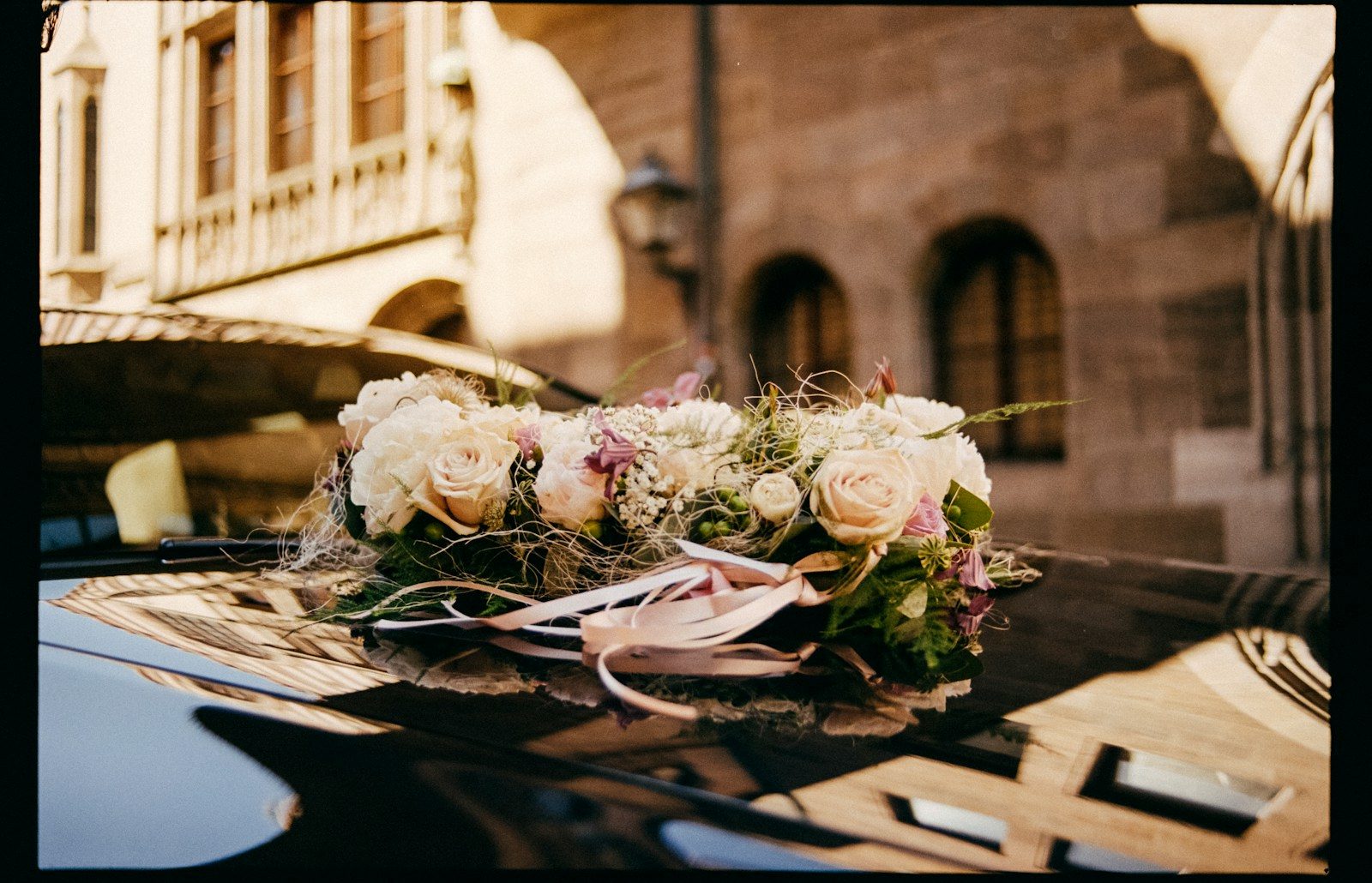
    Heidelberg is a truly romantic city. With its ancient castle perched on a hill, winding river, and enchanting old streets, it’s easy to see why so many couples come here to celebrate their wedding day. The scenery is perfect for timeless, beautiful photos that capture love, history, and nature in harmony. Many talented photographers, such as Heidelberg’s own Hochzeitsfotograf Heidelberg, specialize in candid wedding photography that brings out true emotions and natural moments against these magical backdrops.

    Heidelberg Castle: Majestic Heights with Historic Charm

    If you picture classic Heidelberg, the striking red sandstone ruins of Heidelberg Castle immediately come to mind. Overlooking the green valley and River Neckar, this castle is a must-have location for wedding photos. Behind each old archway and along the grand terrace, you’ll find incredible spots for both sweeping city views and quiet, romantic moments.

    From 2026, couples may even marry in the bright and airy Hall of Glass, offering another dreamy setting for your celebration and photos. Lush gardens, hidden courtyards, and scenic walkways make every photo session different. Photographers especially love the gentle light right before sunset. Soft glows highlight the stone walls, wedding dresses, and happy smiles perfectly. In the inner courtyard, unique touches like fountains and feudal decor turn every portrait into a piece of history. Getting a permit for professional shoots is sometimes required, but the castle’s beauty makes the effort worthwhile.

    Old Bridge: A Mixture of River Romance and Classic Views

    The Old Bridge, known as the Alte Brücke, stretches over the Neckar with classic sandstone arches and decorative statues. Every photo here boasts the castle in the background, with the charming town set along the river. At dusk, soft colors dance in the water, and fireworks illuminate night celebrations. The nearby love stone is a spot where couples attach their padlocks, toss the keys, and seal their promises—an adorable break for fun pictures.

    In the early morning or at sunset, the bridge and riverside become peaceful retreats from the busy city, letting photographers catch genuine laughter, emotions, and natural exchanges between couples. Walk down to the Neckar Promenade for willow-tree-lined paths, perfect for gentle strolls and intimate photos.

    Philosophenweg: The Philosopher’s Walk for Epic City Vistas

    High above the city, the Philosopher’s Walk is a trail famous for its unbeatable views. It meanders along vineyards, wildflowers, and ivy-covered walls. Hiking a section of this path gives you dramatic perspectives of the old town, castle, and the gentle curve of the river all at once. Early birds will enjoy delicate morning light, while evening transforms the scene with a glowing, colorful sky.

    Stop at Riesenstein for bolder shots or take serene photos sitting on the benches with the city sparkling below. This location is less crowded, which means couples can enjoy moments together without distractions—a huge bonus for natural, relaxed photo sessions.

    Old Town: Fairy-tale Streets and Market Liveliness

    Heidelberg’s Old Town is filled with lively charm. Colorful old houses line cobblestone lanes, while inviting cafes create energetic backdrops. The busy market square provides a perfect opportunity for fun group pictures, and winding side streets offer more intimate settings away from the crowd.

    Contrast your wedding outfit against pastel house walls or stop beside ornate doors for eye-catching details. Near fountains, under baroque church arches like those at the Heiliggeistkirche, or peeking through hidden courtyards, the Altstadt is bursting with fairy-tale angles. Sunset adds even more magic, turning houses and pavements warm and golden.

    Neckar Riverbanks: Waterside Scenes and Celebration by Boat

    Take a stroll beside the Neckar for tranquil, laid-back wedding images featuring overhanging willow trees, swans, and endless river views. You can even climb aboard a private boat and glide past castle views with friends and family for something special. Boats accommodate intimate groups and offer a different perspective on Heidelberg’s famous sights.

    Wedding parties toasting with champagne on a boat make for wonderful shots, as do sweet moments on the docks or alongside the flowing river path. Once the sun sets, bridges and buildings light up—catching absolute picture perfection from the water or riverbanks.

    Explore Beyond: Beautiful Nearby Venues

    Venture just a short drive from Heidelberg and find the elegant Schloss Schwetzingen. Its palace gardens showcase decorative ponds, rows of statues, and seasonal blooms. The palace’s richly decorated halls are splendid for those wanting classic glamour, while the outdoor lawns welcome large groups for festivities and relaxed group photos.

    Another favorite is Hoher Darsberg, nestled among forests in nearby Neckarsteinach. It offers countryside views, tree-lined paths, and plenty of open spaces for outdoor ceremonies. Both locations let you expand your wedding story with fresh settings not far from the Heidelberg city center.

    Many photographers, including locals like Ekaterina, are happy to travel to these spots to give couples more choice.

    Making the Most of Your Wedding Photos

    The season and lighting you choose matter a great deal—spring brings out fresh flowers, while autumn fills gardens and parks with rich, warm colors. It’s key to arrange permits early, especially when using locations popular with visitors.

    Hiring a photographer who knows the area, the language, and local customs is priceless. They ensure smooth sessions and make the most of Heidelberg’s best features, whatever the weather. Some moments are best caught in natural sunlight, while dramatic photos may need the touch of mild twilight or even aerial drone shots when allowed.

    Consider having a second photographer to cover all the candid behind-the-scenes moments, too.

    Why a Local Photographer Makes a Difference

    The value of a local expert photographer goes beyond just taking photos. They navigate difficult light, suggest hidden viewpoints, help with permits, and put couples at ease, catching moments you might otherwise miss. Check out portfolios to confirm their style, and don’t hesitate to set up a chat before booking so you’re sure of a good connection.

    Heidelberg offers truly spectacular wedding photo opportunities, from its historic landmarks to leafy riversides — all just waiting to help you remember your big day in dreamy detail. Reserve early, learn from people who know every lane and courtyard, and your wedding pictures are guaranteed to be as magical as the setting itself.