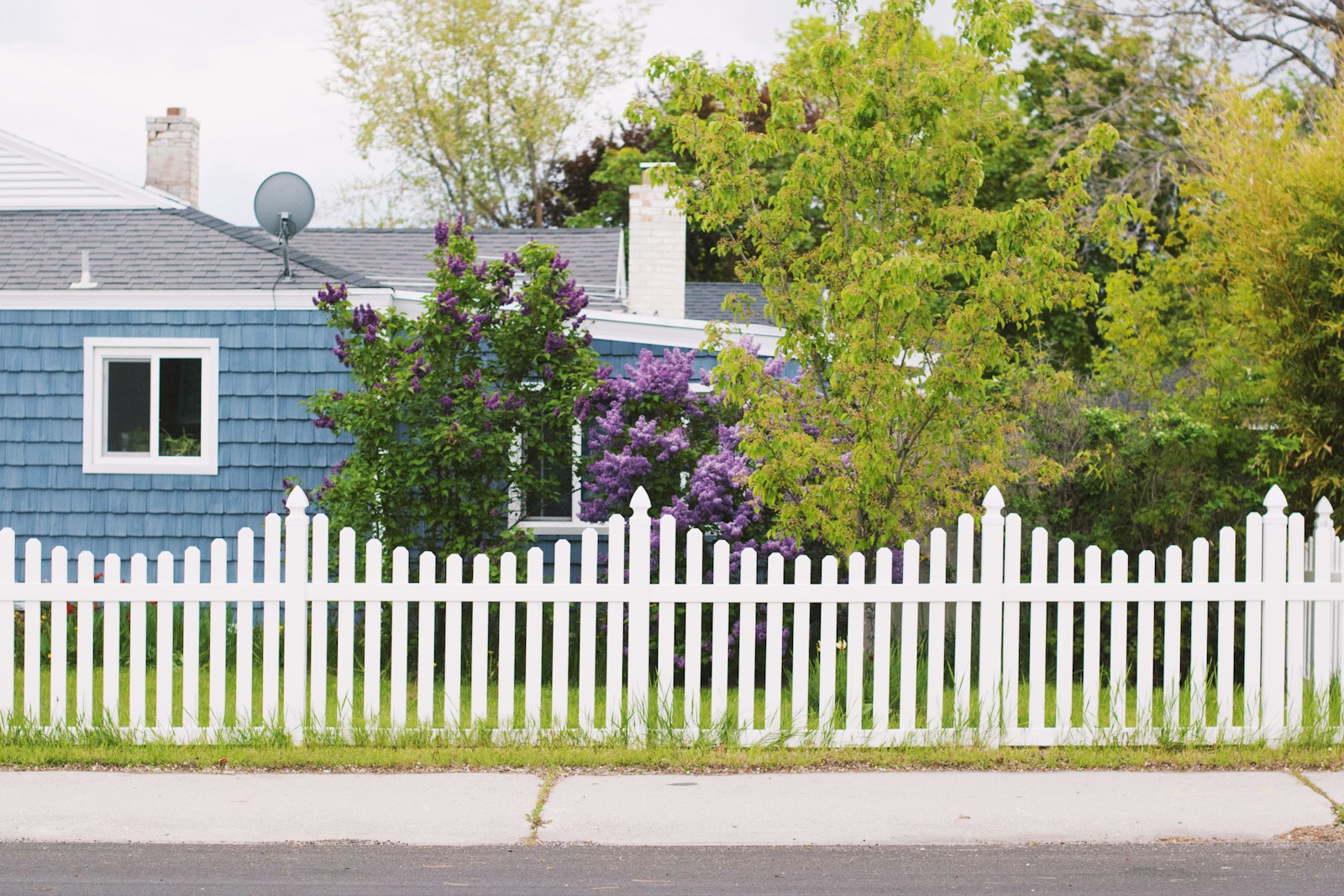
Why Picking the Right Fence Matters More Than Ever
Gone are the days when a basic wooden barrier was your only option. Today, options for your fence are more advanced, offering choices in materials, designs, and installation that fit tough climates like Ottawa’s. Your fence has a big effect on your privacy, safety, your home’s outside look, and even how much someone might pay for your house one day. Making the right choice means you get value for your money and enjoy your property more fully. After reading this, you’ll know about the most common fencing materials, how they deal with weather, which new trends might be right for you, and what local installers in Ottawa do to get the job done right.
What are Your Fence Options, Actually?
When you start thinking about your fence options, it’s not just picking a type of wood. It can involve picking materials, finding the right style or height, planning the layout, and deciding the best way to put it all together. Fences used to be just for farming and basic separation, but today, residential styles are all about creating privacy, blocking noise, and adding style to your yard.
Now, homeowners are choosing between classic cedar, pressure-treated wood, vinyl (PVC), aluminum, iron, chain link, and even new combinations like steel posts with recycled panels. In places with tough winters like Ottawa, fence choices might be adapted to handle frosty springs or shifting earth, thanks to smart planning by local companies. That means your fence can be tailored for your neighborhood and local by-laws.
A Look at Main Fence Materials
Wood – Warm and Flexible, but Needs Care
Wood, especially cedar or pressure-treated kinds, remains a favorite because it feels natural, looks welcoming, and works with a range of home styles. You can cut it in different patterns and adjust stain colors to match other backyard features or your home’s trim. If you like customizing, wood is a top pick.
The downside? Wood fences must be stained or sealed fairly often—every few years—to prevent them from rotting or twisting, especially after lots of rain or snow. Over 15 or 20 years, all that maintenance can easily cost more than installing a vinyl or aluminum fence that pretty much just needs an occasional wash. Think about that before you decide.
Vinyl – Clean Looks, Very Little Effort
Vinyl fences are now hugely popular for a reason: they hardly ever need maintenance, look neat year after year, and don’t rot or get eaten by bugs. In places where snow and rain are common, vinyl stays strong where wood might start to lose shape.
While the initial price is often about the same or a bit more than for cedar, you make that money back by not having to stain, repair or repaint. If you expect to keep your fence for a long time, vinyl can actually be the best bargain, provided you go with a trusted brand and expert installer.
Aluminum and Decorative Iron – Strong and Stylish
If you want solid security and style, but are fine with neighbors seeing through, aluminum and ornamental iron are great. These are made to look like classic wrought iron, but with special coatings so they won’t rust, even through salty winter slush.
Aluminum resists most of what the weather throws at it and doesn’t need much attention after it’s put in. It’s pricier up front compared to wood or chain link, but people around Ottawa prefer it for pool fencing, fancy front yards, and where you still want some open views.
Chain Link – Budget Winner with No Fuss
If your main concern is cost and you just want to mark a boundary, chain link checks the box. It’s tough, quick to install, and great for areas you don’t really look at—like the back fence, around gardens, or for pets.
Add-ons like colored vinyl coating or privacy strips can upgrade its look, making it blend in more or block the view. Lots of homes use chain link where it won’t be highly visible, and save the fancy materials for parts that face the street.
Hybrid and Custom Designs – The Best of Everything
Want a fence that’s unique and extra strong? Hybrid fences mix several materials—like steel for posts and wooden or vinyl panels. This setup stands up better in windy places or on slopes, which are common outside city centers.
Custom fencing takes personal touch even further, letting you pick out post toppers, lattice for extra flair, or even special-sized gates. For people who see their fence as part of their outdoor decor, hybrid and custom solutions deliver the best overall experience.
Weather, Rules, and Building in Ottawa
How Pros Handle Heavy Winters
Ottawa’s unpredictable weather—long, cold winters, snowdrifts, and wide temps—call for special building methods. Experts in the city dig deeper holes for fence posts, use dense gravel or sand under supports, and sometimes add specialty concrete mixes so your fence won’t budge as soil freezes and thaws.
Some companies build all year round, using powerful machines that can break through frozen ground. Work doesn’t need to stop in winter, but using deeper footings and planning for drainage is crucial so posts stay put when freeze-thaw cycles hit.
Fence Rules, Paperwork, and Safety Checks
Legal issues matter too. Ottawa has local rules for fence height, location, and even the kind of fence you can use near pools. Most reputable fencing companies know these by-laws inside out and will help you design within legal heights—and confirm boundary lines carefully before work begins.
Before any digging, it’s standard to call the city or province to see where dangerous wires or pipes run underground. This can take a week or so for someone to mark, but skipping this is dangerous and can cause big delays if you hit a cable or pipeline.
Fence Trends and Common Mistakes
What’s Popular Right Now?
Homeowners are showing more interest in horizontal wood slats, combinations of materials, and fences that hardly ever need painting or staining. Yards are seen as outside “rooms,” so matching the fence style to decks or pergolas is gaining steam.
Another trend is having several neighbors install matching fences to keep street appeal high and sometimes split costs. As our climate changes, demand grows for sturdy, low-care fences that look good in both snow and sunshine.
Mistakes People Make
A common myth is that wood is always cheapest, but care and repairs cost more as time goes by. Some also think winter is a bad time to build, but when installed the right way, these fences can be just as lasting.
Finally, many people assume privacy always calls for a full solid fence, when in reality, well-designed semi-private or mixed-material boundaries often screen views while holding up better to wind or weather.
How to Pick the Best Fence For You
To choose wisely, do what good installers do—start simple, plan carefully:
- Think what’s most important—do you need privacy, kid or pet safety, style, or security? Each goal changes what’s best.
- Be realistic about local weather and pick something suited to it. In Ottawa or similar areas, vinyl and aluminum often last longest with minimal upkeep.
- Don’t look at just the initial price. Count what maintenance, staining, and repairs will cost in the long run.
- always check local rules and be sure about lot lines, especially if you have a pool or corner lot.
- Remember, the depth and quality of fence posts are the real key for strength over time.
- If you’re unsure, a local installer who understands Ottawa can manage design, permits, and even utility safety checks as one complete service.
Fences Built to Last
With better materials and smart installation, today’s fences are stronger, easier to keep up, and can be designed to fit any home style. If you think of your fence as part of your landscape—and worry about looks, rules, and rain—you’ll end up with a result that adds value, keeps your yard secure, and gives you lasting privacy.
Next time you need a fence, don’t just put something up quickly. Take time to mix materials, find the best install plan, and hire the right local team, and you’ll have a fence that stands strong and attractive for many years.