• Take Flight: The Swiss Guide to Paragliding Shops and Gear

    Take Flight: The Swiss Guide to Paragliding Shops and Gear

    Picture yourself standing on a mountaintop in Switzerland, ready to lift off and soar above crystal-clear lakes and dramatic peaks. The alpine breeze supports your glider, offering a sense of freedom like no other. In Switzerland, paragliding isn’t just an adventure—it’s a way of life, and the country’s dedicated paragliding shops are the starting point for every great journey in the sky. With around 16,000 licensed paragliders across the country, a quality shop can mean the difference between a memorable flight and a rough landing. Let’s break down what these shops offer, highlight top locations like Gleitschirmshop Schweiz, and give practical advice for getting started or upgrading your equipment.

    What Sets Swiss Paragliding Shops Apart?

    A paragliding store in Switzerland is much more than a place to buy gear—think of it as a homebase for pilots. Each shop offers equipment for every skill level, selling certified gliders, harnesses, helmets, flight instruments, and safety gear. Choices range from gliders certified for beginners (rated A) to high-performance pro gliders (rated D). These stores have evolved along with the sport, which began here in the 1980s and has since developed strict safety standards, professional training, and growing popularity. Take Paragliding24.ch in Baselland, for instance—managed by passionate pilots who test each item themselves and provide perks like speedy delivery and easy returns. You’ll find big brands such as Niviuk, Gin Gliders, and plenty in between.

    Paragliding24.ch – Where Pilots Help Pilots

    In the peaceful region of Baselland, Paragliding24.ch has built a loyal following of thrill-seekers and enthusiasts. What makes them unique is their personal touch—every item on their shelves is tested by the owners themselves, who are just as eager to fly as their customers. They place careful emphasis on stocking lightweight gliders that are easy to carry, along with comfortable and secure harnesses, top-level helmets, navigation instruments, and other technical accessories. Add in free shipping, fast service, and a friendly team always ready to answer questions, and it’s clear why pilots—pros and novices alike—trust this Swiss shop with their next lift-off.

    Their assortment includes both their own creations and items from reputable European brands. Quality, comfort, and light materials matter most, giving pilots the confidence to stay airborne as long as they wish, even in challenging wind conditions. Pilots often praise the honesty and sincerity of advice at Paragliding24.ch, highlighting the benefit of shopping at a store where the staff fly regularly and fully understand the gear they stock.

    Switzerland’s Growing Paragliding Scene: Stats & Top Areas

    The country has become a true haven for paragliding lovers. Every year, membership grows as more people discover the thrill of paragliding from peaks like the Jura, through scenic areas like the Aletsch Glacier, to hotspots like Interlaken—where dozens of tandem flights take off every day. Thanks to newer, lighter equipment (wings today weigh as little as 5–6 kg versus the old 20 kg versions), “hike & fly” is all the rage among pilots eager to trek up and glide down. Famous locations—Grindelwald First, Walensee, and even glacier locales—offer year-round flight, with some areas open for winter adventures.

    Of course, it’s not all blue skies. Paragliding does involve some risks, particularly during takeoff and landing, which account for most serious accidents. On average, about 19 people per year lose their lives paragliding, but adhering to safety rules lowers the risk significantly, making it comparable to activities like alpine hiking.

    The Top Swiss Paragliding Shops You Should Know

    Switzerland’s paragliding gear market features various specialist shops, each bringing their own strengths. For example:

    • Paragliding24.ch in Lausen offers firsthand-tested equipment, a friendly, experienced staff, and a customer-focused return policy.
    • Paraglidingshop.ch in central Switzerland, in business for more than 30 years, supplies demo gear for testing, sales in Euros, and thorough after-sale service.
    • Paradelta.ch in Geneva stocks a big range of rescue systems and folding services, while closely connected with training schools for beginners.
    • Paraglide-Shop.com operates mainly online and provides a wide variety of brands and gear types, with great prices for different needs.
    • Aerocenter in St. Gallen specializes in certified repairs and offers one of the largest selections of used gear, making it perfect for shoppers on a budget.

    Choosing the right shop depends on what you prioritize—do you want personal advice, hands-on testing, or just the lowest price? Shops like Paragliding24.ch excel in services that go well beyond simply selling you a wing; others provide access to repairs, demo gear, or discounted options.

    Recent innovations have changed what pilots look for in their kit. Mini-wings have grown popular for people wanting to try speedflying, while cutting-edge navigation tools like the Skytraxx GPS-vario combination turn flight data into real-time insights. When shopping for a glider, checking its EN certification is key: newcomers should only consider A or B-rated wings, while those experienced in cross-country flights may need higher-rated (C or D) models. Comfort in flight is also vital—look out for padded harnesses and aerodynamic helmets. Reserve parachutes, gloves suited for chilly winds, and easily deployable safety systems round out the essentials.

    Some new pilots think lighter always means better, but an ultra-light wing may not be tough enough for the changing weather found in Swiss valleys. Trusted shops ensure you get honest answers and suggest practical choices.

    Safety, Weather, and Navigating Challenges

    Mountain flying in Switzerland means varied and sometimes tricky weather, which makes quality equipment even more important. Unexpected gusts and fast-moving clouds can turn flights risky, especially for visitors unfamiliar with the region—statistics show half of all paragliding deaths in 2014 involved foreigners. While safety-certified gear is standard at all leading shops, debate continues over restrictions on advanced activities like speedflying.

    At the same time, effortless online shopping and rapid delivery have opened up Swiss equipment to customers from all over the world, fueling even greater growth in the sport.

    Insider Shopping Tips for Pilots

    • Always get a glider suitable for your level—try out versions at a shop if possible.
    • Make sure harnesses and helmets are comfortable; fit can only be checked in person.
    • Look for Swiss and European safety certifications and solid warranties.
    • Keep an eye out for discounts on last-season gear, and consider used options if buying new isn’t an option.
    • Prefer shops run by pilots, as their real-world know-how leads to better advice and smarter choices.
    • Think long-term—stores like Paradelta offer support like packing and repairs.

    Reading reviews and visiting a shop like Paragliding24.ch or Paraglidingshop.ch in person can help you make confident decisions while also benefiting from perks like free shipping.

    Ready to Fly?

    Whether you want to try tandem for the first time or plan to compete in cross-country events, Switzerland’s paragliding scene is as welcoming as it is breathtaking. With trusted shops, dedicated experts, and spectacular alpine takeoffs, all you really need is the right gear—and maybe a little inspiring advice from those who’ve soared before you.

    So, next time you picture yourself gliding above the Swiss landscape, remember that the right shop can help you launch safely and confidently. Check out stores like Paragliding24.ch and see how far you can go. The skies—with all their possibilities—are yours to explore.

  • The Top 5 Most Beautiful Limo Rides Near Toronto

    The Top 5 Most Beautiful Limo Rides Near Toronto

    Toronto is one of those cities where you get a great mix of city vibes and stunning nature. This creates the perfect backdrop for exploring the area by limousine, whether you’re celebrating something special, planning a romantic evening, or just looking to enjoy a relaxing afternoon. You’ll find gorgeous lakefronts, peaceful parks, and areas rich in heritage, all easily enjoyed from the comfort of a limo. Leading providers such as Limo service in Toronto Canada deliver top-quality vehicles and professional chauffeurs, helping to turn a simple drive into something extraordinary.

    Niagara Parkway to Niagara Falls

    If you’re searching for a trip that feels like it belongs in a travel magazine, look no further than the Niagara Parkway. This scenic drive follows the Niagara River from the charming town of Niagara-on-the-Lake all the way to the world–famous Falls. Just an hour or two from downtown Toronto, this journey takes you through rolling vineyards, important historical spots like Queenston Heights Park, and endless panoramic views along the river. In fact, it’s often called one of the prettiest drives anywhere.

    While riding in a limo, it’s easy to make stops at must–see spots like the massive Floral Clock or the famous Whirlpool Aero Car. The route ends with the incredible sight of the thundering Niagara Falls. With smooth roads and plenty of drama, this drive is especially popular for couples or groups wanting a fancy wine tour or a unique way to arrive at an event.

    Sunset along the parkway is truly magical—watch as the sky glows orange and the mist from the gorge lights up in soft pastels. This drive is especially popular during the busy seasons for good reason, so be sure to reserve in advance if you want to add popular activities like boat cruises or waterfront dinner reservations to your day.

    Cruising Along Scarborough Bluffs Lakeshore

    Just half an hour east of Toronto’s core, the Scarborough Bluffs tower 60 meters above Lake Ontario, stretching along a beautiful edge of the city. By traveling the route along Kingston Road and along the rim of the cliffs, you’ll find some of the most striking lakeside views around. Your limo provides a front–row seat to sparkling water, sandy shoreline, and the forests that tumble down the slopes.

    There are lots of spots along the way to pull over for photos—Bluffers Park and Rosetta McClain Gardens are longtime favorites. Let your chauffeur handle the hairpin turns as you relax and take in the fresh air away from hectic city activity.

    This route stands out for its raw, coastal beauty, perfect for a daytime adventure. The drive gets even better right before sunset, when everything glows golden and the water looks like something out of a postcard. Families and students often gather at the viewpoints, and it’s a dream for photographers hoping to catch that one–in–a–million shot, all easily taken in straight from the limousine.

    City Escape: High Park and Waterfront Loop

    High Park brings 161 hectares of greenery to the west end of Toronto, making it the perfect centerpiece for a limo ride that balances city hustle with nature’s calm. Start at Lake Shore Boulevard West, then loop through leafy Parkside Drive and the blooming gardens of High Park Boulevard. Highlights include the cherry blossoms in spring, zenlike Grenadier Pond, vibrant flower beds, and, if you time it right, scenes of fall colors that rival some provincial parks.

    Loop back via Queens Quay for fantastic lakefront vistas and striking views of the skyline. A limo is especially comfortable here—no need to worry about weather thanks to climate–controlled luxury, and you’ll have complete privacy while still surrounded by leafy trails and walking paths.

    This drive is truly enjoyable all year round, whether you’re visiting in September to catch fiery trees or spending sunny days with a picnic near the park’s zoo. The loop is also a low–key favorite for long–time locals looking for an easy escape not far from home.

    Rosedale Valley Road: Down Into the Ravine

    Hidden away inside the city, Rosedale Valley Road takes you through one of Toronto’s best green zones: the deep ravines. This 2.5 km stretch drops from Yonge Street down along the Don River, winding through forested hillsides for a calm, shaded journey. You’ll pass the creative spaces of Evergreen Brick Works and eventually connect to Bayview Avenue, all often in under half an hour.

    Tall trees individually arch over the roadway, giving an almost magical tunnel effect. There’s a good chance you’ll see some birds—or even rabbits—as you glide by. The limousine handles the curves in style, making even this peaceful spot feel like a private tour of city nature.

    Morning or evening are the best times to cruise here; daylight pours through the leaves, painting everything in shimmering light. History fans will also love spotting the luxury homes and century–old architecture scattered around the area.

    Lakeshore Boulevard West to Humber Bay

    Another stretch loved by anyone chasing lake views starts at Exhibition Place and runs west to Humber Bay Park. This drive puts the shining surface of Lake Ontario front and center while passing by yacht clubs, beach pavilions, peaceful parks, and garden pathways. The city skyline—including the iconic CN Tower—rises up dramatically in the background.

    Popular stopping points include Sunnyside Pavilion and the area where peaceful Humber River empties into the lake. While you sink into a plush seat, you might spot sailboats skimming across the water, all while sipping something chilled if your limo package allows it.

    Time your trip for sunrise if you’re feeling adventurous, or wait for dusk when the water and city lights join together for the ultimate romantic moment. Extend your outing a bit further west to Burlington for even more spectacular lake views from Spencer Smith Park.

    Why Travel These Scenic Routes by Limo?

    Traveling by limousine adds an extra layer of comfort and elegance to these Toronto drives. Every detail is handled, from plush leather seating to an expertly prepared drink station and trained chauffeurs taking care of navigation. You get all the benefits: safety, zero stress, and the chance to relax with your group or unwind solo while taking in the views.

    Whether your group is large or small, there are limo models sized just right for the occasion. Many routes look even better as seasons change, whether you’re looking out at spring blooms, bright autumn leaves, or sparkling snow.

    Planning Your Dream Limo Ride

    Choosing the right route depends on how much time you have; Niagara makes a romantic full–day getaway, while neighborhood loops like High Park or Rosedale are ideal for quick escapes. Double check the weather so you can take time outside along the way, and plan at least a day or two ahead—limo services fill up, especially during popular weekends.

    Consider pairing your ride with something special. Reserve a table at a lakeside restaurant, book tastings at Niagara’s vineyards, or plan a family picnic in High Park’s gardens for extra memories. Prices are usually based on trip length and vehicle style, but most guests agree the experiences you’ll have make it easily worth the cost.

    With its mix of cultured flair and breathtaking scenery, Toronto looks its best from the comfort of a luxury limo. From city parks to world–famous waterfalls, these handpicked routes create a unique travel experience you’ll never forget.

  • Org Chart Builders vs. Manual Design: Which Works Best for Your Team?

    Org Chart Builders vs. Manual Design: Which Works Best for Your Team?

    Organizational charts help teams understand who manages what, clarify roles, and display company structure all in one place. But when it comes to designing these charts, teams often debate between time-tested manual tools like PowerPoint and newer, automated org chart builders. Modern builders promise to make the process quicker and more accurate, while manual design keeps you in control of every little detail. In this article, we’ll look at the pros and cons of each method, so you can pick what’s best for your team’s needs, size, and daily workflow.

    Understanding Manual Org Chart Design

    Manual design means creating your org chart from the ground up, often using familiar programs like PowerPoint or Excel, or for some, simply drawing it out on paper. In PowerPoint, you can add in blocks with SmartArt, drag them around, and fill in names and positions by hand. This hands-on approach works best for smaller groups or when making a single visual for a specific use.

    Manual charts really shine when you want complete flexibility to fit company branding. Designers can match colors, fonts, and layouts exactly how they want, without having to fit the requirements of special org chart software. Most businesses already have these tools, so small teams can create basic charts in minutes without any extra costs or learning curve.

    However, making changes to the chart as your team grows can turn into a headache. For every update, you’ll need to go in and change the information for each person, correct boxes if they become misaligned, and watch out for typing mistakes. The more people in your organization, the harder it is to maintain a clear, readable chart. With tens or hundreds of employees, tiny fonts and squeezed boxes turn updates into a huge undertaking.

    Manual Design: Pros and Cons

    Manual org charts can feel rewarding, but they do come with their own strengths and weaknesses.

    Benefits of Manual Design:

    • Full creative control — adjust fonts, colors, and structure however you want for a polished result.
    • Familiar tools mean there’s no onboarding — most people already know how to use PowerPoint or Excel.
    • No additional costs — these programs are part of standard office software bundles, making them budget-friendly.

    Downsides of Manual Design:

    • Editing is tedious — every single change must be made by hand, slowing things down and making mistakes likely.
    • Hard to scale — great for a small group, but tough to maintain for mid-sized or large teams.
    • Version mixups — sharing the same file can result in several “current” copies, leading to confusion.
    • Lack of integration — there’s no way to link charts to HR or payroll systems, so charts can become outdated quickly.

    As changes in team structure happen, relying only on a manually updated org chart can result in confusion or outdated info being passed around.

    Introducing Org Chart Builders

    Org chart builders are special tools crafted just for making and updating organizational charts. Think of examples like Org Chart Studio, Lucidchart, and others. These platforms help you skip tedious steps by letting you just drag and drop roles, import lists from Excel files, or even sync directly to company HR systems. With a few clicks, you can rearrange who reports to whom, adjust the layout, or invite others to help edit live.

    Many modern org chart builders include bonus features like collaboration options or even show live analytics. Updating structures as team changes are made is simple and instantly visible to everyone who has access, no matter where they are.

    For remote teams or businesses with staff in multiple locations, many builders also include mobile support and analytic tools, making it easy to check the chart and gain insights on the go.

    The Pros and Cons of Org Chart Builders

    Automated tools help make charts quickly—even for large, complex organizations—but some people wish for more advanced customization. Let’s look at what these builders offer.

    FeatureAdvantagesPossible Drawbacks
    SpeedImport your data and get a chart in minutes, not hours.Learning the setup process takes a bit of time, especially for complicated data.
    UpdatesAutomatically keeps info synced with HR or spreadsheet sources.If your data isn’t clean, it might introduce errors.
    CollaborationMultiple team members can edit and share securely.Some platforms need a subscription, adding extra cost.
    ScaleHandles very large organizations easily, with up to 10,000+ employees.Might feel too complex if you only have a handful of staff.
    ExtrasAdd advanced features like search tools, analytics, and mobile editing.Advanced controls can add a short learning curve.

    Some products (like Org Chart Studio) offer free options for small teams and provide one-time payment for features like PDF or image export, avoiding monthly fees.

    Comparing Manual Methods to Builders

    Manual and builder-based org charts are very different experiences. For static and lower headcount charts, manual methods do fine. But for growing businesses, builder tools save loads of time and keep data accurate.

    Critical FeatureManual MethodsOrg Chart Builders
    Build TimeRequires hours for big teamsTaken care of in minutes by importing lists
    UpdatingManual edits for every roleDrag, drop, and auto-sync repair old info
    Mistake RiskHigher (user errors, missed edits)Lower (runs off official data)
    Team CollaborationShare files—versions divergeReal-time, cloud links keep everyone up to date
    CostFree (if software owned)Free for smaller teams; pay as you go for extras.
    Mobile-FriendlyBarely works on small screensFull editing and viewing from phone or tablet

    Stats show that companies adopting tools for data visualization (like automated org chart builders) see nearly 80% improvement in how they work with and act on this information.

    Meet Org Chart Studio: A Modern Org Chart Builder

    One popular org chart builder is Org Chart Studio—a tool designed to make chart planning fast and flexible. On the platform, you can tap to add new people, pull them into order with drag-and-drop, and the auto-layout tool tidies up everything neatly. Spreadsheets from Excel (or other apps) can be instantly turned into charts. You can even export a tidy graphic version without a watermark for a one-time low fee.

    There are no annual or monthly costs for teams smaller than 100, making it perfect for cost-conscious groups. Features like undo/redo, mobile editing, and auto-save make it superior to clunky old-school methods. Reviewers enjoying its intuitive design note that they rarely miss PowerPoint.

    When Does Manual Org Chart Design Make Sense?

    Choosing the manual method might work best for a micro team with less than 20 people, needing a highly customized, good-looking chart for an event or a report. Startups that only occasionally redesign org charts—or who want their unique company look front and center—will likely get by with PowerPoint or Excel.

    But if your organization changes roles or reporting structure more than a few times a year, slow update times can quickly cause mixups.

    When to Use Org Chart Builders

    If your team is over 20 employees, with new hires happening regularly or if you have remote or distributed staff, jumping in with an org chart builder is the smarter choice. Builders streamline onboarding, make complicated updates quick, and clear up confusion around who reports to who. Dynamic charts help everyone stay informed as shifts happen.

    Tools such as Org Chart Studio are affordable, powerful enough for big teams, and remove the frustrations found with manual methods—without breaking the bank.

    Real-World Examples

    Small Startup (Manual Design):
    A team of ten puts together its staff hierarchy in PowerPoint for a fun, client-facing slide. The flexibility matches their branding at no extra cost.

    Mid-Size Team (Builder):
    A company of around 150 uses an org chart builder to convert HR spreadsheets into clear, current charts that survive quarterly re-structures without hassle.

    Enterprise Corp (Builder):
    A large company with several thousand employees relies on advanced tools for workforce analytics, mapping out departments both visually and statistically.

    Combining Both:
    Some teams sketch their idea manually, then move it into a builder to polish, analyze, and share broadly with live updates.

    How to Decide What’s Right for You

    When picking the right approach, think about your team’s size, how often you expect to make changes, and the available budget. Most growing organizations will find more value in org chart builders, since they offer visual clarity and up-to-date data. Plus, most builders start free, so you can experiment first.

    For accuracy, ease of updates, and simple sharing, it’s hard to beat modern org chart builders. Old-fashioned methods are holding on mostly for very small or very short-term needs.

  • How to Get from Palermo Airport to San Vito Lo Capo: Your 2026 Travel Guide

    How to Get from Palermo Airport to San Vito Lo Capo: Your 2026 Travel Guide

    If you’re landing at Palermo Airport (Falcone–Borsellino, PMO) and want to reach the sunny shores of San Vito Lo Capo, you’ll need to cover about 85 to 90 kilometers. This trip by car or shuttle normally lasts 1 hour and 15 to 30 minutes, though this can vary based on traffic and transport choice. In this updated guide, discover all your options when traveling this route so you can kick off your time in western Sicily without a hitch.

    Different Ways to Get There

    To travel between Palermo Airport and San Vito Lo Capo, there are four main options:

    • Shared shuttle buses that pick you up at the airport and drop you off at your accommodation.
    • Private transfers or taxis that take you directly to your destination at any hour.
    • Seasonal buses that run direct routes during the popular spring to fall period.
    • Renting a car, putting you in control of your schedule and sightseeing along the way.

    Each choice has its pros and cons. The right one for you will depend on your group size, arrival time, your budget, and how much flexibility you want while traveling.

    Shared Shuttle Buses – Affordable Comfort

    Many travelers prefer shared shuttle services for their great mix of cost, comfort, and convenience. One of the best known is Transfer San Vito aeroporto Palermo, which offers scheduled shuttles from Palermo Airport straight to where you’re staying in San Vito Lo Capo.

    Main Highlights:

    • The ride usually takes about 1 hour and 15 minutes when there’s normal traffic.
    • These shuttles run several times a day: arrivals in San Vito Lo Capo can be as late as 7:00 PM; returns from town generally start around 7:00 AM and go until 6:00 PM.
    • Instead of dropping everyone off at a bus station, these shuttles will bring you right to your hotel, B&B, or apartment.

    Important Details:

    • Passengers share the shuttle, which lowers the price for each individual. Tariffs usually start from around €30 per person, usually with a two-person minimum. Luggage is usually included.
    • Bookings must be made ahead of time, at least 6 hours before the ride. Late bookings might come with an extra charge.
    • When you arrive at Palermo Airport, the shuttle’s staff will greet you in the arrivals hall with a sign with your name and guide you to your van.

    This service runs frequently between May and late September. Outside this main season, private or exclusive transfers are usually offered if there aren’t enough passengers for a shared ride.

    Private Transfer or Taxi – Door-to-Door Convenience

    If you prefer traveling at your own speed or have more luggage (or children in tow), a private car or taxi might fit you best. Don’t worry about the time—these services are available around the clock, and you can reserve anything from a sedan to a minivan for family groups.

    What to Expect:

    • The ride is smooth and speedy, normally lasting just over 1 hour and 20 minutes depending on traffic.
    • When you arrive, your driver will wait for you in the airport arrivals, help with your luggage, and drive straight to your accommodation’s door.

    Things to Consider:

    • Though usually pricier than a shuttle when traveling alone, private transfers can be cost effective if you’re splitting the fee (the per person price drops with 3–4 riders).
    • Night-time rides, oversized baggage, or booking at the last moment may come with a higher price.

    Seasonal Buses – Pocket-Friendly and Simple

    Every year, direct buses link Palermo Airport to San Vito Lo Capo in the main holiday season. These buses are ideal if you’re visiting in warm-weather months and want a cheap and simple way to get to town.

    Useful Info:

    • Travel time is a tad longer (around 75–110 minutes), depending on stops along the way.
    • Fares hover around €25-€30 per person, slightly cheaper than shuttles though you have less flexibility.
    • These buses usually stop in the heart of San Vito Lo Capo, so you’ll likely need to walk or catch a short taxi to your final destination.

    Bus timetables can change each season, so it’s smart to check current schedules and book seats in advance, especially during summer weekends.

    Renting a Car – The Most Flexible Way

    If you like moving at your own pace or plan to explore more than just San Vito Lo Capo, getting a rental car is your best bet. When you pick up your keys at Palermo Airport, you’re free to swing by nearby hot spots like Castellammare del Golfo, Scopello, or scenic nature reserves nearby.

    The Journey:

    • Take the A29 motorway in the direction of Trapani, then exit towards Castellammare del Golfo, following signs to San Vito Lo Capo.
    • You’ll have around 87–90 kilometers to go, which typically takes just under an hour and a half.

    Good to Know:

    • While the roads are generally good, the last stretch into town gets a little winding — drive carefully.
    • Parking in San Vito Lo Capo during popular months is tight, so ask your hotel if they provide private parking or know of nearby garages.
    • Renting a car can save money if you’re going on multiple day trips or are traveling as a family.

    How to Use San Vito Bus Sharing

    If ease and reliability sound appealing, San Vito Bus Sharing might be your go-to mode of transport between the airport and San Vito Lo Capo.

    Here’s How It Works:

    1. Choose your travel date, time, and set your pickup/dropoff address via their online booking system.
    2. Pick from available shuttle times that match your schedule.
    3. Provide a mobile number so drivers can confirm or update you if needed.
    4. You’ll get a confirmation with details on meeting points and timings.
    5. On arrival, collect your bags, then look for your driver who’ll be clearly holding a sign with your name for a smooth pickup.

    For going back to Palermo Airport, book your return journey early enough, leaving plenty of time to check in your flight after the one-hour-plus ride back.

    Which Route Will You Choose?

    Now that you know the main ways to travel from Palermo Airport to San Vito Lo Capo, compare their rates, departure times, and how much flexibility you want. This way, you can jump straight into your Sicilian adventure the moment you step off your flight, no matter which travel style suits you best!

  • Discover Bern’s Timeless Interiors: The Mastery of Slab Layers

    Discover Bern’s Timeless Interiors: The Mastery of Slab Layers

    Picture yourself entering a historic home in Bern, where the old-world charm of sloped walls seamlessly blends with the clean lines of new stone floors, extending effortlessly to a sun-drenched terrace. Such gorgeous transitions don’t happen by accident—they are the result of remarkable skill and experience. In the Bern region, talented slab layers, or Plattenleger, bring together detailed craftsmanship and local expertise to create unforgettable spaces. This article explores everything you need to know about their trade, from their training and daily challenges to new trends and helpful advice—shining a light on professionals like KUGE Bau and helping you make your next home project a true success.

    What Makes a Plattenleger Unique?

    A Plattenleger in der Region Bern, or slab layer, is a highly trained tradesperson who handles the installation of tiles and slabs made from materials like ceramic, natural stone, and innovative seamless systems. In Switzerland, individuals pursuing this career go through an intensive apprenticeship that lasts three years; during this time, they learn the nuts and bolts of taking precise measurements, calculating material needs, working with specialized diamond tools, applying professional-grade adhesives, and expertly finishing joints and repairs.

    This craft has evolved from traditional masonry work and picked up fresh styles and requirements, especially after World War II. Today, Plattenleger must juggle renovation projects in Bern’s ancient old town with brand-new buildings in growing districts. It’s common for them to work with irregular shapes, uneven concrete screeds, and damp spaces—always keeping safety regulations in mind. Leading firms in Bern often have a strong track record: take KUGE Bau, for instance, which has completed hundreds of projects and laid hundreds of thousands of square meters of tile to the delight of many customers.

    Essential Slab Laying Services in Bern

    Slab layers in Bern offer a wide variety of services, using materials ranging from delicate ceramics to sturdy granite and marble. Companies like KUGE Bau, located near Flamatt, are particularly experienced with large-format tiles, achieving results that are perfectly aligned even in challenging, high-traffic areas.

    One specialty is working in wet rooms, like bathrooms and kitchens, where moisture can easily cause damage if not managed properly. The right waterproofing techniques keep house structures and surfaces safe for years. Kitchens get heat-resistant, easy-to-clean options, while outdoor spots feature frost-proof tiles designed to withstand Bern’s cold winters. Minimalism is popular too, with seamless systems that eliminate grout lines and offer a modern, hygienic finish, especially valued in bathrooms. Unlike general floor layers, Plattenleger are qualified to manage the heavy slabs and intricate work needed for Bern’s unique mix of historic and modern properties.

    Comparing Key Services

    Service TypeTypical MaterialsIdeal UsesHighlights
    Ceramic TilesPorcelain, Large TilesKitchens, EntrancesDurable, affordable
    Natural StoneGranite, MarbleOlder Homes, Living RoomsElegant, long-lasting
    Seamless SurfacesResin-basedWellness AreasClean, modern
    Outdoor SlabsFreeze-resistant StoneTerraces, BalconiesWeather-proof

    Interior design in Bern is feeling the influence of bigger and bolder tiles, with minimal joint widths—no more than two millimeters. These nearly seamless finishes are hygienic, super easy to clean, and bring a contemporary look to both old and new homes.

    As for colors, the trends keep changing! Expect earthy clays, soft sage greens, gentle blues, and stone-inspired neutrals—all inspired by natural Swiss landscapes. Sustainable choices stand out, too, as more people look for materials from the local region and tiles that require less energy to make. Bern is home to dozens of top-rated firms, with companies like KUGE Bau known for their focus on seamless and natural stone finishes. Home renovations and new builds alike rely fully on expert slab layers—certified pros with thorough training—for complex installs and robust finishes, much in demand as property development booms across the region.

    Working with Bern’s Special Construction Challenges

    Each building in Bern can offer its own set of obstacles. Older houses, for example, are notorious for walls and floors that are far from straight. This means slab layers must make custom adjustments to every project—there’s no “one size fits all.” New buildings offer their own challenges. Poor planning for the amount of needed materials can also lead to surprise costs or wasted money in both types of homes.

    Outdoor slabs, in particular, need to be carefully chosen. Smooth, glossy granite might look amazing inside, but can turn dangerously slippery on an outdoor terrace when it rains. In these conditions, it’s best to use textured, frost-resistant porcelain. On top of technical skills, slab layers in Bern also face job market pressures—well-trained workers are in high demand and short supply, so experienced teams are worth their weight in gold.

    Bern’s Opportunities: A Look Ahead

    But there’s good news—those who pay attention to detail and use modern tools can really make a difference. Companies like KUGE Bau use precise digital measurements to prevent any wasted materials and provide clear, fixed-price offers from the start. The future looks bright: Design trends point toward large tiles in earthy tones and natural textures that reflect Bern’s scenery. New technology—like 3D modeling—is quickly catching on, adding extra confidence to clients and reducing miscommunication.

    Wellness spaces are predicted to soar in popularity. Seamless and hygienic floors, in particular, will fill both homes and professional settings. Locally-based companies can respond quickly and keep projects on track, which is a huge advantage in today’s busy market.

    How to Choose a Plattenleger in Bern

    Ready to renovate? Start with a no-cost consultation. Reliable professionals, such as those at KUGE Bau, will visit your property, measure everything (including the remaining waste pieces for odd angles), and check your substrate for hidden issues like moisture or unevenness. Make sure to ask for a team with Swiss EFZ certification to guarantee quality.

    Plan your budget smartly. Request several detailed quotes, which should clearly list both material and labor costs. For outdoor use, pick only freeze-proof tiles, and never forget about sealing natural stone to avoid stains. It also pays to work with firms having dependable supplier partnerships, making sure you get fair prices. Always: 1) Describe your needs clearly, 2) Compare offers and reviews, 3) Finalize your schedule and warranty, and 4) Get written care instructions when the job is done.

    Other best practices include:

    • Insist on strict worker safety standards.
    • Avoid buying your own materials before the professionals confirm quantities.
    • Choose sustainable materials with a local origin whenever possible.

    KUGE Bau’s approach—from the initial on-site visit, to a speedy quote within 48 hours, through clean and timely completion—shows what real professionalism looks like.

    As the city of Bern continues to develop and modernize, slab layers play a crucial role in shaping warm, strong, and beautiful spaces in every corner—from old landmarks to trendy new apartments. Considering a transformation for your home? Reaching out to a skilled local Plattenleger is an excellent first step toward building a home that stands the test of time—secure, stunning, and ever-inspiring.

  • 5 Key Signs Your Roof Needs Urgent Repairs in Seine-Saint-Denis

    5 Key Signs Your Roof Needs Urgent Repairs in Seine-Saint-Denis

    Living in Seine-Saint-Denis means your roof is constantly under pressure from rain, wind, pollution, and sometimes severe storms. These weather conditions can wear out your roof faster than you may expect. Ignoring take-action-now warnings often transforms a minor, easy-fix problem into a full-blown emergency that involves expensive repairs to fix water damage, mould, and even structural decay.

    Roofers working throughout Seine-Saint-Denis, like couvreur 93, often get called when a roof is already leaking or badly damaged. Almost always, repairs could have been quicker and cheaper if early warning signs were handled soon after they showed up. To keep your home safe, pay attention to these five warning signs that your roof may need urgent attention.

    1. Leaks, Drips, and Stains Inside Your Home

    Any water seeping into your living space is a serious problem. If you start to notice brown or yellowish stains on your ceiling or walls, dampness around roof windows, or dripping in the attic, this probably means your roof is letting in rainwater.

    In Seine-Saint-Denis, heavy rain can turn a small drip into a large leak surprisingly quickly, damaging your insulation, wires, and ceiling plaster. If not dealt with, damp conditions help mould grow, which harms both air quality and your family’s health, especially where ventilation isn’t good.

    For example, if you spot a small stain by a chimney or small roof window (like a Velux), this could be from a single damaged tile or faulty flashing. A quick call to a qualified roofer makes for an easy repair at this stage. But if you see new water marks after heavy rain more than once, it calls for immediate attention. Book an inspection right away if you spot these symptoms.

    2. Cracked, Missing, or Bent Roof Tiles

    The material covering your roof—tiles, slates, metal, or panels—is your home’s main defense against rain and wind. Any visible damage is a warning sign you cannot ignore. From your garden or even the street, keep your eyes open for:

    • Tiles that are split, cracked, or have slipped out of place
    • Missing tiles, perhaps blown away by gusty winds
    • Curled or warped shingles
    • Uneven patches, or if the roof looks different in some spots

    Experienced roofers agree: Faulty, bent, or completely missing tiles mean your roof may not keep water out much longer. On flat roofs, you may spot signs like bubbling surfaces, water pools, or seams lifting up. These let water in and cause damage soon after.

    Urban places like Montreuil, Saint-Denis, and Aubervilliers see a lot of pollution and moss, which means tiles can weaken or crack faster. Roofers like DJC Toiture 93 find themselves replacing broken tiles, fixing seals, or removing heavy mosses before things get out of hand and the building becomes affected.

    3. Roof Has Sagging Sections or Looks Uneven

    A ceiling sag or a roofline that sinks in places is a sign that the problem may go far beyond just the outer tiles. Invite a roofer for a check if your roof no longer looks flat and straight from the outside. Your house should have a clean, level roof; dents, waves, or odd spots may be symptoms of weak timber, compromised framing, or water that has slowly gotten in for a long time.

    Even inside, you might notice your ceiling starts to curve or new cracks appear near wall tops. If windows or doors suddenly stick, this could mean there’s a larger issue with your home’s structure—not just the roof surface.

    Older homes or additions in Seine-Saint-Denis are especially prone to these types of roof and structure troubles after facing years of heavy rains and frequent storms. If you notice this, it is crucial to get a professional’s help straight away, as the next step could be even more substantial damage, sometimes even a partial roof collapse if left unfixed.

    4. Too Much Moss or Always-Damp Patches

    It’s not uncommon for roofs in Ile-de-France to have a little moss. However, when you see large areas completely covered in green moss, brown algae, or always-damp patches, that is a signal of trouble. Moss and algae catch and hold onto moisture, and this persistent dampness works into your tiles, which can cause them to shift, lift, or even crack as seasons change.

    This risk is especially high for shaded locations or north-facing roofs, areas where warmth and sunlight don’t dry out the moisture. Over time, this makes roofing materials weak and could lead to small leaks that aren’t obvious until more significant stains show indoors.

    Most roofers in Seine-Saint-Denis fix these problems using roof cleaning and treatments that prevent moss from coming back, alongside waterproofing sprays to seal tiles. Companies like DJC Toiture 93 will check whether a thorough cleaning and treatment is enough, or if bigger fixes are needed.

    5. Higher Energy Bills & Drafty Rooms

    Did your heating bills suddenly jump for no clear reason? Rooms under your roof may suddenly feel colder in winter or hotter in summer. These are signs that heat could be escaping through your roof due to poor insulation above the ceiling, gaps around windows or roof hatches, or hidden wet areas that have ruined the insulation in your attic.

    Feel for cold drafts near your attic and watch out for sunlight poking through places it shouldn’t—like at the top of the wall. Both mean your roof’s insulation or sealing is not doing its job.

    In places around Seine-Saint-Denis where energy gets expensive, an inspection of your roof can reveal weak spots that are costing you more to stay warm or cool. A professional can make repairs and fix insulation at the same time to help make your home comfy again and reduce energy waste.

    Take Prompt Action to Protect Your Seine-Saint-Denis Home

    Storms and wind seem to get stronger and more frequent across Seine-Saint-Denis, and delaying a repair just gives water more time to harm your house from the roof all the way down. This delay usually leads to bigger repair bills because even small roof issues quickly become large ones.

    Experienced contractors, such as DJC Toiture 93, handle everything from patching a leaking spot to replacing larger roof sections for tile, slate, metal, or panel roofs. If you own a house, townhouse, or even a small building, arranging for a prompt professional inspection could save you thousands in the long run—and provide peace of mind when the next storm shows up.

    If you have seen any of these warning signs—small stains, loose or curved tiles, saggy rooflines, stubborn moss patches, or rapid energy bill increases—the smartest move you can make is contacting a roofer without delay. Quick action safeguards your property, helps maintain its value, and saves you many headaches down the line.

  • The Most Scenic Places in Heidelberg for Gorgeous Wedding Photos

    The Most Scenic Places in Heidelberg for Gorgeous Wedding Photos

    Heidelberg is a truly romantic city. With its ancient castle perched on a hill, winding river, and enchanting old streets, it’s easy to see why so many couples come here to celebrate their wedding day. The scenery is perfect for timeless, beautiful photos that capture love, history, and nature in harmony. Many talented photographers, such as Heidelberg’s own Hochzeitsfotograf Heidelberg, specialize in candid wedding photography that brings out true emotions and natural moments against these magical backdrops.

    Heidelberg Castle: Majestic Heights with Historic Charm

    If you picture classic Heidelberg, the striking red sandstone ruins of Heidelberg Castle immediately come to mind. Overlooking the green valley and River Neckar, this castle is a must-have location for wedding photos. Behind each old archway and along the grand terrace, you’ll find incredible spots for both sweeping city views and quiet, romantic moments.

    From 2026, couples may even marry in the bright and airy Hall of Glass, offering another dreamy setting for your celebration and photos. Lush gardens, hidden courtyards, and scenic walkways make every photo session different. Photographers especially love the gentle light right before sunset. Soft glows highlight the stone walls, wedding dresses, and happy smiles perfectly. In the inner courtyard, unique touches like fountains and feudal decor turn every portrait into a piece of history. Getting a permit for professional shoots is sometimes required, but the castle’s beauty makes the effort worthwhile.

    Old Bridge: A Mixture of River Romance and Classic Views

    The Old Bridge, known as the Alte Brücke, stretches over the Neckar with classic sandstone arches and decorative statues. Every photo here boasts the castle in the background, with the charming town set along the river. At dusk, soft colors dance in the water, and fireworks illuminate night celebrations. The nearby love stone is a spot where couples attach their padlocks, toss the keys, and seal their promises—an adorable break for fun pictures.

    In the early morning or at sunset, the bridge and riverside become peaceful retreats from the busy city, letting photographers catch genuine laughter, emotions, and natural exchanges between couples. Walk down to the Neckar Promenade for willow-tree-lined paths, perfect for gentle strolls and intimate photos.

    Philosophenweg: The Philosopher’s Walk for Epic City Vistas

    High above the city, the Philosopher’s Walk is a trail famous for its unbeatable views. It meanders along vineyards, wildflowers, and ivy-covered walls. Hiking a section of this path gives you dramatic perspectives of the old town, castle, and the gentle curve of the river all at once. Early birds will enjoy delicate morning light, while evening transforms the scene with a glowing, colorful sky.

    Stop at Riesenstein for bolder shots or take serene photos sitting on the benches with the city sparkling below. This location is less crowded, which means couples can enjoy moments together without distractions—a huge bonus for natural, relaxed photo sessions.

    Old Town: Fairy-tale Streets and Market Liveliness

    Heidelberg’s Old Town is filled with lively charm. Colorful old houses line cobblestone lanes, while inviting cafes create energetic backdrops. The busy market square provides a perfect opportunity for fun group pictures, and winding side streets offer more intimate settings away from the crowd.

    Contrast your wedding outfit against pastel house walls or stop beside ornate doors for eye-catching details. Near fountains, under baroque church arches like those at the Heiliggeistkirche, or peeking through hidden courtyards, the Altstadt is bursting with fairy-tale angles. Sunset adds even more magic, turning houses and pavements warm and golden.

    Neckar Riverbanks: Waterside Scenes and Celebration by Boat

    Take a stroll beside the Neckar for tranquil, laid-back wedding images featuring overhanging willow trees, swans, and endless river views. You can even climb aboard a private boat and glide past castle views with friends and family for something special. Boats accommodate intimate groups and offer a different perspective on Heidelberg’s famous sights.

    Wedding parties toasting with champagne on a boat make for wonderful shots, as do sweet moments on the docks or alongside the flowing river path. Once the sun sets, bridges and buildings light up—catching absolute picture perfection from the water or riverbanks.

    Explore Beyond: Beautiful Nearby Venues

    Venture just a short drive from Heidelberg and find the elegant Schloss Schwetzingen. Its palace gardens showcase decorative ponds, rows of statues, and seasonal blooms. The palace’s richly decorated halls are splendid for those wanting classic glamour, while the outdoor lawns welcome large groups for festivities and relaxed group photos.

    Another favorite is Hoher Darsberg, nestled among forests in nearby Neckarsteinach. It offers countryside views, tree-lined paths, and plenty of open spaces for outdoor ceremonies. Both locations let you expand your wedding story with fresh settings not far from the Heidelberg city center.

    Many photographers, including locals like Ekaterina, are happy to travel to these spots to give couples more choice.

    Making the Most of Your Wedding Photos

    The season and lighting you choose matter a great deal—spring brings out fresh flowers, while autumn fills gardens and parks with rich, warm colors. It’s key to arrange permits early, especially when using locations popular with visitors.

    Hiring a photographer who knows the area, the language, and local customs is priceless. They ensure smooth sessions and make the most of Heidelberg’s best features, whatever the weather. Some moments are best caught in natural sunlight, while dramatic photos may need the touch of mild twilight or even aerial drone shots when allowed.

    Consider having a second photographer to cover all the candid behind-the-scenes moments, too.

    Why a Local Photographer Makes a Difference

    The value of a local expert photographer goes beyond just taking photos. They navigate difficult light, suggest hidden viewpoints, help with permits, and put couples at ease, catching moments you might otherwise miss. Check out portfolios to confirm their style, and don’t hesitate to set up a chat before booking so you’re sure of a good connection.

    Heidelberg offers truly spectacular wedding photo opportunities, from its historic landmarks to leafy riversides — all just waiting to help you remember your big day in dreamy detail. Reserve early, learn from people who know every lane and courtyard, and your wedding pictures are guaranteed to be as magical as the setting itself.

  • Elfbar Elfliq E-Liquid: Common Questions for German Vapers

    Elfbar Elfliq E-Liquid: Common Questions for German Vapers

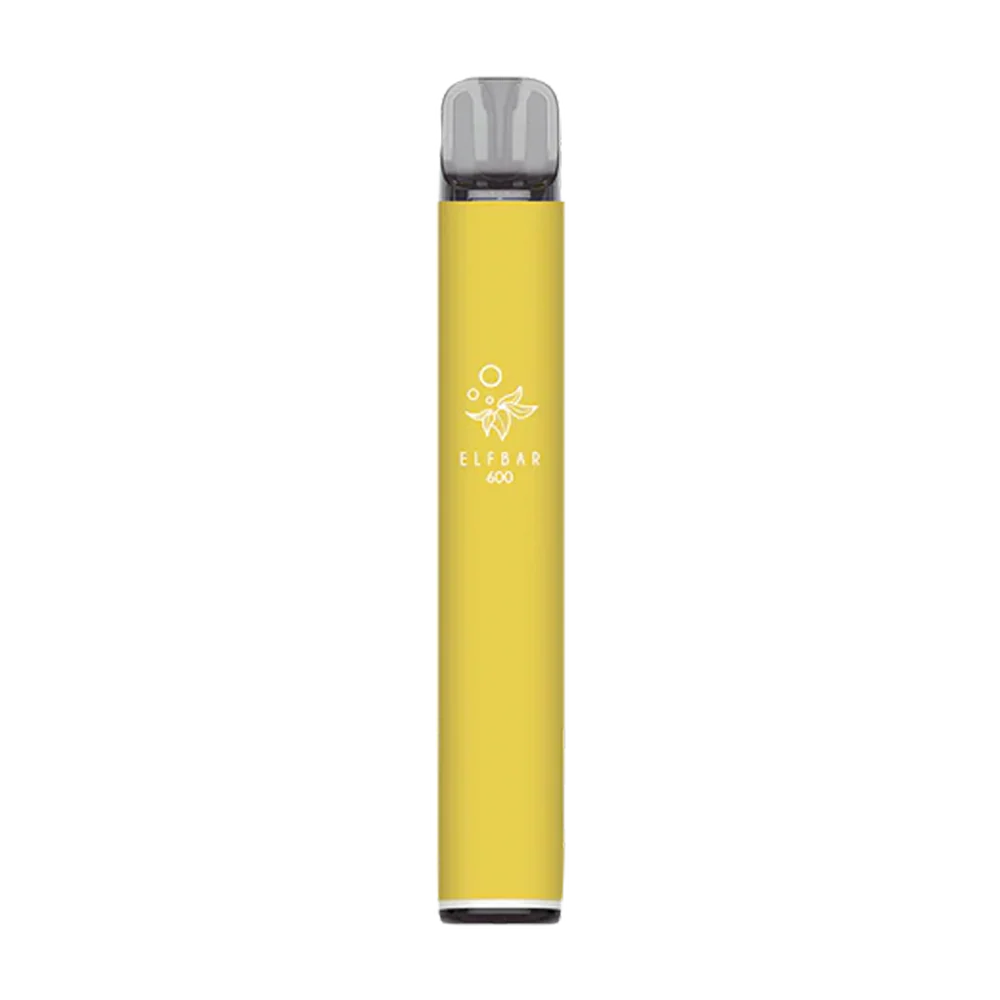
    Many German vapers know Elf Bar for their popular disposable vapes, but Elfbar Elfliq e-liquid now let fans enjoy these much-loved flavors in refillable devices. Created to bring the same great taste as the original disposables, Elfliq nic salts also meet strict European regulations, making them a safe, familiar choice for anyone in Germany.

    Understanding Elfliq E-Liquid

    Elfliq e-liquids come in 10ml bottles and use nicotine salts to closely reproduce the well-known flavors found in Elf Bar disposables. The formula is carefully balanced at a 50/50 blend of VG (vegetable glycerin) and PG (propylene glycol), which gives users smooth vapor and plenty of taste. This mix works best in low-powered and pod-based systems that German vapers often prefer when switching from single-use vapes. You can pick a nicotine concentration of 10mg/ml or 20mg/ml, both designed for a quick, regular nicotine fix with minimal harshness, which feels much like natural cigarette tobacco.

    Flavors Available and What’s New

    Elfliq features over 20 different flavors, largely following Germany’s favorite fruity and icy blends, but there are drinks-inspired flavors too. Fan favourites include choices like Strawberry Ice, Watermelon, Grape, Mango, and Cherry Cola.

    Some best-selling varieties right now are:

    • Kiwi Passion Fruit Guava: Mixing tart kiwi and smooth guava for a tropical taste.
    • Peach Ice: Sweet and cold just like biting into chilled peach slices.
    • Blueberry Sour Raspberry: Bringing together sugary blueberry with a raspberry zing.
    • Pink Lemonade: Sweet and zesty lemon refreshment.
    • Spearmint: Offering an energizing, minty exhale.

    New special releases in 2024 include flavors such as Blackberry Lemon, Blackcurrant Aniseed, Pineapple Mango Orange, Sour Apple, and Strawberry Raspberry Cherry Ice. Also, more flavors like Blackberry Ice, Lemon Peach Passion Fruit, and Mix Berries are scheduled for spring 2025. With such regular updates, there’s always something new to try, so taste preferences are well catered for.

    Picking Your Nicotine Strength and Why Nic Salts Matter

    Elfliq is available in strengths of 10mg/ml for lighter cravings or 20mg/ml for a stronger effect. Using nic salts means your body absorbs nicotine quicker and you enjoy a softer inhale, compared to a harsh hit with regular freebase nicotine. This makes nic salts an excellent choice for “mouth-to-lung” (MTL) vaping, which gives that classic cigarette-like feel. In accordance with the TPD laws in Germany, Elfliq keeps bottles at 10ml and a ceiling of 20mg/ml nicotine, so you know every purchase is legal and regulated for safety.

    E-Liquid Ingredients and Vaper Safety

    A bottle of Elfliq e-liquid contains PG for delivering clear taste and a mild throat hit, VG for creating dense clouds, medical-quality nicotine salts, and food-grade flavorings. There’s nothing dangerous inside—no diacetyl, no vitamin E acetate, and all elements meet European standards for vaping products. The bottles have childproof caps and tamper-evident seals too. People in Germany using Elfliq at 10mg/ml tend to find it mild with balanced vapor, while at both strengths, the 50/50 blend gives great results in everyday pod kits. To keep your liquid tasting fresh, it’s best to keep Elfliq in a cool spot away from sunlight.

    Best Devices in Germany for Elfliq E-Liquid

    For top flavor and a smooth draw, Elfliq works best in pod systems and low-wattage devices running between 15 to 40 watts. Popular picks with German vapers include:

    • Elfbar Elfa Turbo Kit (550mAh battery and 0.8-ohm pod, good for up to 600 inhalations per refill).
    • Uwell Caliburn G3 Pro (a device with a large screen and up to 35W output).
    • Wondervape 7000 (a model offering a big 10ml tank—all TPD-compliant—for around 7000 puffs before refilling).
    • Elf Bar Elfa refillable pods (using mesh coil technology for even flavor).

    To use a new coil, soak it with Elfliq e-liquid for at least five minutes, and don’t fill pods above their max or you might get leaking.

    Tips for Using Elfliq the Right Way

    When filling a pod or tank, gently remove the top, add Elfliq slowly (some people find the bottles a little firm), and let your liquid soak into the coil. It’s smart to start with your vape’s lowest wattage setting, then adjust up for taste and smoothness. German users who switched from single-use vapes recognize Elfliq delivers the authentic taste they remember, though some suggest testing flavors, as a few find the flavor doesn’t last as long as dedicated pre-filled pods. Regular device cleaning and changing coils every week or two also keeps everything tasting the best it can.

    Pricing and Value in Germany

    Elfliq’s 10ml bottles often sell for about 5.90€, a savings compared to disposable vapes (sometimes less than 0.80€ per ml with Elfliq, but over 2€ for single-use Elf Bars). Buying multipacks or “5 for” bundles offers even more value for regular users. Many compare Elfliq to alternatives like Bar Juice, and find that Elfliq tastes closer to original Elf Bar devices, although some vapers might still prefer stronger flavors from different brands.

    Pros and Cons Based on Real Reviews

    Advantages according to users:

    • Flavors closely match actual Elf Bar disposables
    • The nic salt formulation means each vape is smooth and easy on the throat
    • Broad spread of fruity profiles suits many tastes

    Drawbacks mentioned in reviews:

    • For some, the taste doesn’t last quite as long in pods as in disposable bars
    • The 10ml bottles can be tricky to squeeze
    • A few notice slight differences compared to disposables (sometimes more mild)

    Despite any downsides, most German vapers find Elfliq is an excellent step up from disposables, and favorites like Watermelon and Strawberry Ice are top sellers.

    Frequently Asked Questions

    Does Elfliq make nicotine-free liquids? Not at the moment. They focus on nic salt e-liquids with 10mg or 20mg strengths, though Elf Bar’s Liqit range has some similar flavors totally free of nicotine.

    Is it legal and TPD-compliant? All Elfliq sold in Germany is fully compliant with EU laws, with 10ml bottles and up to 20mg/ml nicotine allowed.

    What’s a good starter flavor? Many suggest beginning with simple, crowd-pleasers like Strawberry Ice or Watermelon, which are refreshing and easy to enjoy.

    Is the flavor really identical to Elf Bar disposables? Elfliq is formulated to taste as close as possible to disposables, though some report minor variations in flavor strength.

    How long does one 10ml bottle last? Depending on how much you vape and your device, most people get 300 to 600 puffs—about the same as a single refill or one disposable Elf Bar.

    Elfliq gives German vapers a fresh and affordable option to enjoy their favorite disposable flavors in refillable setups. Try out some bestsellers to see which becomes your go-to!

  • Smart Fence Choices: A Simple Guide for Homeowners

    Smart Fence Choices: A Simple Guide for Homeowners

    Why Picking the Right Fence Matters More Than Ever

    Gone are the days when a basic wooden barrier was your only option. Today, options for your fence are more advanced, offering choices in materials, designs, and installation that fit tough climates like Ottawa’s. Your fence has a big effect on your privacy, safety, your home’s outside look, and even how much someone might pay for your house one day. Making the right choice means you get value for your money and enjoy your property more fully. After reading this, you’ll know about the most common fencing materials, how they deal with weather, which new trends might be right for you, and what local installers in Ottawa do to get the job done right.

    What are Your Fence Options, Actually?

    When you start thinking about your fence options, it’s not just picking a type of wood. It can involve picking materials, finding the right style or height, planning the layout, and deciding the best way to put it all together. Fences used to be just for farming and basic separation, but today, residential styles are all about creating privacy, blocking noise, and adding style to your yard.

    Now, homeowners are choosing between classic cedar, pressure-treated wood, vinyl (PVC), aluminum, iron, chain link, and even new combinations like steel posts with recycled panels. In places with tough winters like Ottawa, fence choices might be adapted to handle frosty springs or shifting earth, thanks to smart planning by local companies. That means your fence can be tailored for your neighborhood and local by-laws.

    A Look at Main Fence Materials

    Wood – Warm and Flexible, but Needs Care

    Wood, especially cedar or pressure-treated kinds, remains a favorite because it feels natural, looks welcoming, and works with a range of home styles. You can cut it in different patterns and adjust stain colors to match other backyard features or your home’s trim. If you like customizing, wood is a top pick.

    The downside? Wood fences must be stained or sealed fairly often—every few years—to prevent them from rotting or twisting, especially after lots of rain or snow. Over 15 or 20 years, all that maintenance can easily cost more than installing a vinyl or aluminum fence that pretty much just needs an occasional wash. Think about that before you decide.

    Vinyl – Clean Looks, Very Little Effort

    Vinyl fences are now hugely popular for a reason: they hardly ever need maintenance, look neat year after year, and don’t rot or get eaten by bugs. In places where snow and rain are common, vinyl stays strong where wood might start to lose shape.

    While the initial price is often about the same or a bit more than for cedar, you make that money back by not having to stain, repair or repaint. If you expect to keep your fence for a long time, vinyl can actually be the best bargain, provided you go with a trusted brand and expert installer.

    Aluminum and Decorative Iron – Strong and Stylish

    If you want solid security and style, but are fine with neighbors seeing through, aluminum and ornamental iron are great. These are made to look like classic wrought iron, but with special coatings so they won’t rust, even through salty winter slush.

    Aluminum resists most of what the weather throws at it and doesn’t need much attention after it’s put in. It’s pricier up front compared to wood or chain link, but people around Ottawa prefer it for pool fencing, fancy front yards, and where you still want some open views.

    If your main concern is cost and you just want to mark a boundary, chain link checks the box. It’s tough, quick to install, and great for areas you don’t really look at—like the back fence, around gardens, or for pets.

    Add-ons like colored vinyl coating or privacy strips can upgrade its look, making it blend in more or block the view. Lots of homes use chain link where it won’t be highly visible, and save the fancy materials for parts that face the street.

    Hybrid and Custom Designs – The Best of Everything

    Want a fence that’s unique and extra strong? Hybrid fences mix several materials—like steel for posts and wooden or vinyl panels. This setup stands up better in windy places or on slopes, which are common outside city centers.

    Custom fencing takes personal touch even further, letting you pick out post toppers, lattice for extra flair, or even special-sized gates. For people who see their fence as part of their outdoor decor, hybrid and custom solutions deliver the best overall experience.

    Weather, Rules, and Building in Ottawa

    How Pros Handle Heavy Winters

    Ottawa’s unpredictable weather—long, cold winters, snowdrifts, and wide temps—call for special building methods. Experts in the city dig deeper holes for fence posts, use dense gravel or sand under supports, and sometimes add specialty concrete mixes so your fence won’t budge as soil freezes and thaws.

    Some companies build all year round, using powerful machines that can break through frozen ground. Work doesn’t need to stop in winter, but using deeper footings and planning for drainage is crucial so posts stay put when freeze-thaw cycles hit.

    Fence Rules, Paperwork, and Safety Checks

    Legal issues matter too. Ottawa has local rules for fence height, location, and even the kind of fence you can use near pools. Most reputable fencing companies know these by-laws inside out and will help you design within legal heights—and confirm boundary lines carefully before work begins.

    Before any digging, it’s standard to call the city or province to see where dangerous wires or pipes run underground. This can take a week or so for someone to mark, but skipping this is dangerous and can cause big delays if you hit a cable or pipeline.

    Homeowners are showing more interest in horizontal wood slats, combinations of materials, and fences that hardly ever need painting or staining. Yards are seen as outside “rooms,” so matching the fence style to decks or pergolas is gaining steam.

    Another trend is having several neighbors install matching fences to keep street appeal high and sometimes split costs. As our climate changes, demand grows for sturdy, low-care fences that look good in both snow and sunshine.

    Mistakes People Make

    A common myth is that wood is always cheapest, but care and repairs cost more as time goes by. Some also think winter is a bad time to build, but when installed the right way, these fences can be just as lasting.

    Finally, many people assume privacy always calls for a full solid fence, when in reality, well-designed semi-private or mixed-material boundaries often screen views while holding up better to wind or weather.

    How to Pick the Best Fence For You

    To choose wisely, do what good installers do—start simple, plan carefully:

    • Think what’s most important—do you need privacy, kid or pet safety, style, or security? Each goal changes what’s best.
    • Be realistic about local weather and pick something suited to it. In Ottawa or similar areas, vinyl and aluminum often last longest with minimal upkeep.
    • Don’t look at just the initial price. Count what maintenance, staining, and repairs will cost in the long run.
    • always check local rules and be sure about lot lines, especially if you have a pool or corner lot.
    • Remember, the depth and quality of fence posts are the real key for strength over time.
    • If you’re unsure, a local installer who understands Ottawa can manage design, permits, and even utility safety checks as one complete service.

    Fences Built to Last

    With better materials and smart installation, today’s fences are stronger, easier to keep up, and can be designed to fit any home style. If you think of your fence as part of your landscape—and worry about looks, rules, and rain—you’ll end up with a result that adds value, keeps your yard secure, and gives you lasting privacy.

    Next time you need a fence, don’t just put something up quickly. Take time to mix materials, find the best install plan, and hire the right local team, and you’ll have a fence that stands strong and attractive for many years.

  • Best Neighborhoods for Renting a Room in Amsterdam

    Best Neighborhoods for Renting a Room in Amsterdam

    Thinking about renting rooms in Amsterdam? This city is bursting with energy and has a reputation as one of the most exciting places in Europe. Room rentals provide students, young professionals, and expats a much more affordable way to call Amsterdam home, especially with regular rent costs hovering between €700 and €1,000 per month depending on location. Many like using helpful platforms that gather listings from multiple places, making your city search easier and more organized.

    De Pijp: Young and Full of Life

    De Pijp is often at the top of everyone’s list for room rentals. It’s a lively district just south of Amsterdam’s famous canals, brimming with a mix of cultures, great bars, and an impressive selection of international food stops. Young adults from everywhere are drawn here due to its upbeat energy and regular festivities, such as the market called Albert Cuypstraat, which is filled with fresh goods and amazing smells. You’ll find that rent in De Pijp for a room in a shared apartment usually ranges from €900 to €1,200 per month, and spaces are snapped up fast.

    Getting around is straightforward, as trams whisk you right into the center, and universities are close by too. With inviting parks such as Sarphatipark nestled in the area, it’s no wonder so many choose this spot if they want a busy, walkable life close to local culture. However, take note that the weekends can be a little noisy – perfect for people who thrive in vibrant neighborhoods, but possibly less ideal for those seeking quiet nights.

    Jordaan: Quaint Canals and Artistic Spirit

    If you’re searching for a neighborhood with charm and fewer tourists, Jordaan delivers beautifully. Its slender streets wander alongside scenic canals, while unique local cafes and art shops offer a peek into creative Dutch culture. Young creatives, professionals, and students often settle here for its unique atmosphere. Renting a room in Jordaan falls between €800 and €1,100 depending on the place and amenities, but the area’s deep history and access to hotspots like the Anne Frank House add significant value.

    Traveling to other parts of the city is simple thanks to trams and cycling lanes, though Jordaan’s central spot means you may not need more than a bike. Living costs run a bit higher, but people pay for the privilege of this iconic address. Room viewings are in high demand, so being quick to reach out to landlords or check new online listings will help in landing that dream spot.

    Amsterdam Oost: Diverse and Budget-Friendly

    Do you want a neighborhood that feels authentic and friendly to the wallet? Amsterdam Oost (East) is drawing more and more renters. The area has a blend of international cultures, nifty cafes, urban green spaces, and creative shops lining streets like Javastraat. Renters often find more options here for tighter budgets, with rooms generally available for €700 to €950 per month in well-kept, modern apartments.

    University students especially like sub-areas such as Watergraafsmeer, as they offer quicker commutes and large parks for studying or relaxing. Public transport and bike lanes connect to the rest of the city and even out toward the airport, making this a well-serviced place to call home. The area occasionally feels lively or “edgy” at night, but this authenticity is what endears the community to many who live here.

    Amsterdam West (Oud-West): Urban Mix and Easy Living

    If you’re looking to blend quiet residential living with hint of hip, consider Oud-West. Popular hangouts include food market halls and venues around Westerpark, while Vondelpark – Amsterdam’s largest green park – is never far away. Living here costs about €750 to €1,000 monthly for a private room, available often in shared homes with plenty of outgoing residents.

    Despite being close to the bustling city center, Oud-West gives rivalry with its tempting mix of old-style Dutch housing blended with new, trendy spots. There’s solid tram and bus service, making the daily rush easy, so this area suits students and professionals. Shared accommodations update regularly in online ads, so regular checks increase your odds of finding an opportunity before others do.

    Amsterdam Noord: Edgy, Spacious, and Inexpensive

    Hop on a quick ferry north across the IJ, and you’ll discover Amsterdam Noord, known for creative communities and impressive renovation efforts. It’s home to converted warehouses, striking street art, and open spaces – a fairly rare treat in the more compact center. Shared rooms here can be found between €700 and €900, making Noord a standout for value seekers.

    Cafes, music festivals, and modern housing attract young tech workers, artists, and people who like something a little different. With more public transport – like new metro lines – Noord residents can zip into central Amsterdam with ease. Just know that it can feel a bit less busy and lonelier during cold seasons if you don’t have a bike or scooter to get around. Interest in this up-and-coming area is on the rise as prices and demand grow.

    Museum Quarter (Zuid): Calm and Upscale

    In the Museum Quarter area (part of Zuid, or South), the streets are calm and elegant, shaded by tall trees and surrounded by remarkable museums like the Rijksmuseum and van Gogh Museum. This calm and collected neighborhood routinely attracts expats and professionals who want to be near the business district (Zuidas), as well as top cafes and upmarket shopping streets.

    You’ll see attractive rooms in refined apartments listed at around €850 to €1,100 monthly. This area stands out for its tidy parks, neat architecture, and high safety standards. Trams make travel stress-free, while spacious housing and lovely surroundings set a gentle pace for community life. People are willing to pay extra for the peace of mind and stylish status.

    Tips for Finding Your Room in Amsterdam

    Since many start their room search in late spring or late summer, trying to get a jump on the rush is crucial. It really helps to use trustworthy websites that scan dozens of housing platforms at once – saving you time and making the system more secure. The rental market is fast-moving, so always respond to listings right away.

    Prepare what you’ll need before viewing – identification plus proof of income is a good start – and remember that you’ll pay a deposit equivalent to one or two months’ rent. Utility fees can vary depending on the property, typically falling between €150 and €250.

    Many renters discover that sharing homes brings a rewarding social life as well as savings, so living with others is very normal and can add fun, especially for newcomers. For those who value energy and bustling streets, consider De Pijp or Jordaan. If price matters more, neighborhoods farther from the city center still provide great value and strong transport links. Adjust your choice according to lifestyle: quiet? Buzzing? Artsy? Amsterdam’s neighborhoods provide them all, inviting you to quickly settle in and begin your adventure.